
使用 gorilla 会话时未保存 golang 中的会话变量
本篇文章给大家分享《使用 gorilla 会话时未保存 golang 中的会话变量》,覆盖了Golang的常见基础知识,其实一个语言的全部知识点一篇文章是不可能说完的,但希望通过这些问题,让读者对自己的掌握程度有一定的认识(B 数),从而弥补自己的不足,更好的掌握它。
问题内容
使用 gorilla 会话 Web 工具包时,不会跨请求维护会话变量。当我启动服务器并键入 localhost:8100/ 时,页面被定向到 login.html,因为会话值不存在。登录后,我在商店中设置会话变量,页面被重定向到 home.html。但是,当我打开一个新选项卡并键入 localhost:8100/ 时,该页面应该使用已存储的会话变量定向到 home.html,但该页面改为重定向到 login.html。以下是代码。
    package main

import (
    "crypto/md5"
    "encoding/hex"
    "fmt"
    "github.com/gocql/gocql"
    "github.com/gorilla/mux"
    "github.com/gorilla/sessions"
    "net/http"
    "time"
)

var store = sessions.NewCookieStore([]byte("something-very-secret"))

var router = mux.NewRouter()

func init() {

    store.Options = &sessions.Options{
        Domain:   "localhost",
        Path:     "/",
        MaxAge:   3600 * 1, // 1 hour
        HttpOnly: true,
    }
}
func main() {
    //session handling
    router.HandleFunc("/", SessionHandler)
    router.HandleFunc("/signIn", SignInHandler)
    router.HandleFunc("/signUp", SignUpHandler)
    router.HandleFunc("/logOut", LogOutHandler)
    http.Handle("/", router)
    http.ListenAndServe(":8100", nil)
}

//handler for signIn
func SignInHandler(res http.ResponseWriter, req *http.Request) {

    email := req.FormValue("email")
    password := req.FormValue("password")

    //Generate hash of password
    hasher := md5.New()
    hasher.Write([]byte(password))
    encrypted_password := hex.EncodeToString(hasher.Sum(nil))

    //cassandra connection
    cluster := gocql.NewCluster("localhost")
    cluster.Keyspace = "gbuy"
    cluster.DefaultPort = 9042
    cluster.Consistency = gocql.Quorum
    session, _ := cluster.CreateSession()
    defer session.Close()

    //select query
    var firstname string
    stmt := "SELECT firstname FROM USER WHERE email= '" + email + "' and password ='" + encrypted_password + "';"
    err := session.Query(stmt).Scan(&firstname)
    if err != nil {
        fmt.Fprintf(res, "failed")
    } else {
        if firstname == "" {
            fmt.Fprintf(res, "failed")
        } else {
            fmt.Fprintf(res, firstname)
        }
    }

    //store in session variable
    sessionNew, _ := store.Get(req, "loginSession")

    // Set some session values.
    sessionNew.Values["email"] = email
    sessionNew.Values["name"] = firstname

    // Save it.
    sessionNew.Save(req, res)
    //store.Save(req,res,sessionNew)

    fmt.Println("Session after logging:")
    fmt.Println(sessionNew)

}

//handler for signUp
func SignUpHandler(res http.ResponseWriter, req *http.Request) {

    fName := req.FormValue("fName")
    lName := req.FormValue("lName")
    email := req.FormValue("email")
    password := req.FormValue("passwd")
    birthdate := req.FormValue("date")
    city := req.FormValue("city")
    gender := req.FormValue("gender")

    //Get current timestamp and format it.
    sysdate := time.Now().Format("2006-01-02 15:04:05-0700")

    //Generate hash of password
    hasher := md5.New()
    hasher.Write([]byte(password))
    encrypted_password := hex.EncodeToString(hasher.Sum(nil))

    //cassandra connection
    cluster := gocql.NewCluster("localhost")
    cluster.Keyspace = "gbuy"
    cluster.DefaultPort = 9042
    cluster.Consistency = gocql.Quorum
    session, _ := cluster.CreateSession()
    defer session.Close()

    //Insert the data into the Table
    stmt := "INSERT INTO USER (email,firstname,lastname,birthdate,city,gender,password,creation_date) VALUES ('" + email + "','" + fName + "','" + lName + "','" + birthdate + "','" + city + "','" + gender + "','" + encrypted_password + "','" + sysdate + "');"
    fmt.Println(stmt)
    err := session.Query(stmt).Exec()
    if err != nil {
        fmt.Fprintf(res, "failed")
    } else {
        fmt.Fprintf(res, fName)
    }
}

//handler for logOut
func LogOutHandler(res http.ResponseWriter, req *http.Request) {
    sessionOld, err := store.Get(req, "loginSession")

    fmt.Println("Session in logout")
    fmt.Println(sessionOld)
    if err = sessionOld.Save(req, res); err != nil {
        fmt.Println("Error saving session: %v", err)
    }
}

//handler for Session
func SessionHandler(res http.ResponseWriter, req *http.Request) {

    router.PathPrefix("/").Handler(http.FileServer(http.Dir("../static/")))
    session, _ := store.Get(req, "loginSession")

    fmt.Println("Session in SessionHandler")
    fmt.Println(session)


    if val, ok := session.Values["email"].(string); ok {
        // if val is a string
        switch val {
        case "": {
            http.Redirect(res, req, "html/login.html", http.StatusFound) }
        default:
            http.Redirect(res, req, "html/home.html", http.StatusFound)
        }
    } else {
        // if val is not a string type
        http.Redirect(res, req, "html/login.html", http.StatusFound)
    }
}
有人可以告诉我我做错了什么。提前致谢。
正确答案
首先: 你永远不应该使用 md5 来散列密码。[阅读这篇文章](http://www.codinghorror.com/blog/2012/04/speed- hashing.html)了解原因,然后使用 Go 的bcrypt 包。您还应该[参数化您的 SQL 查询](http://www.codinghorror.com/blog/2005/04/give-me-parameterized-sql-or- give-me-death.html),否则您可能会 遭受灾难性 的SQL 注入攻击。
无论如何:这里有几个问题需要解决:
- 您的会话没有“坚持”是因为您将其设置
Path为/loginSession- 因此当用户访问任何其他路径(即/)时,会话对该范围无效。
您应该在程序初始化时设置会话存储并在那里设置选项:
var store = sessions.NewCookieStore([]byte("something-very-secret"))

func init() {

   store.Options = &sessions.Options{
    Domain:   "localhost",
    Path:     "/",
    MaxAge:   3600 * 8, // 8 hours
    HttpOnly: true,
}
您可能会设置更具体的路径的原因是,如果登录的用户始终位于子路由中,例如/accounts. 在你的情况下,这不是正在发生的事情。
我应该补充一点,Web Inspector 中的 Chrome 的“资源”选项卡(资源 > Cookie)对于调试此类问题非常有用,因为您可以看到 cookie 过期、路径和其他设置。
- 你也在检查
session.Values["email"] == nil,这是行不通的。Go 中的空字符串只是"",因为session.Values是 amap[string]interface{},所以您需要将值输入到字符串中:
IE
if val, ok := session.Values["email"].(string); ok {
      // if val is a string
      switch val {
             case "":
                 http.Redirect(res, req, "html/login.html", http.StatusFound)
             default:
                 http.Redirect(res, req, "html/home.html", http.StatusFound)
      }
    } else {
        // if val is not a string type
        http.Redirect(res, req, "html/login.html", http.StatusFound)
    }
我们处理“不是字符串”的情况,所以如果会话不是我们所期望的(客户端修改了它,或者我们的程序的旧版本使用了不同的类型),我们会明确说明程序应该做什么。
-
保存会话时,您没有检查错误。
sessionNew.Save(req, res)
... 应该:
    err := sessionNew.Save(req, res)
    if err != nil {
            // handle the error case
    }
-
SessionHandler您应该在提供静态文件之前 获取/验证会话(但是,您正在以一种非常迂回的方式进行操作):func SessionHandler(res http.ResponseWriter, req *http.Request) { session, err := store.Get(req, "loginSession") if err != nil { // Handle the error } if session.Values["email"] == nil { http.Redirect(res, req, "html/login.html", http.StatusFound) } else { http.Redirect(res, req, "html/home.html", http.StatusFound) } // This shouldn't be here - router isn't scoped in this function! You should set this in your main() and wrap it with a function that checks for a valid session. router.PathPrefix("/").Handler(http.FileServer(http.Dir("../static/")))}
本篇关于《使用 gorilla 会话时未保存 golang 中的会话变量》的介绍就到此结束啦,但是学无止境,想要了解学习更多关于Golang的相关知识,请关注golang学习网公众号!
 使用反射获取指向值的指针
- 上一篇
- 使用反射获取指向值的指针
- 下一篇
- Golang 事件:用于插件架构的 EventEmitter / 调度程序
-
- Golang · Go问答 | 1天前 |
- Go slog 日志字段怎么安全流转:Attr、Handler 与敏感信息边界
- 193浏览 收藏
-
- Golang · Go问答 | 1天前 |
- Go bufio.Scanner 为什么读不完整长行:Buffer 上限、SplitFunc 与流式边界
- 391浏览 收藏
-
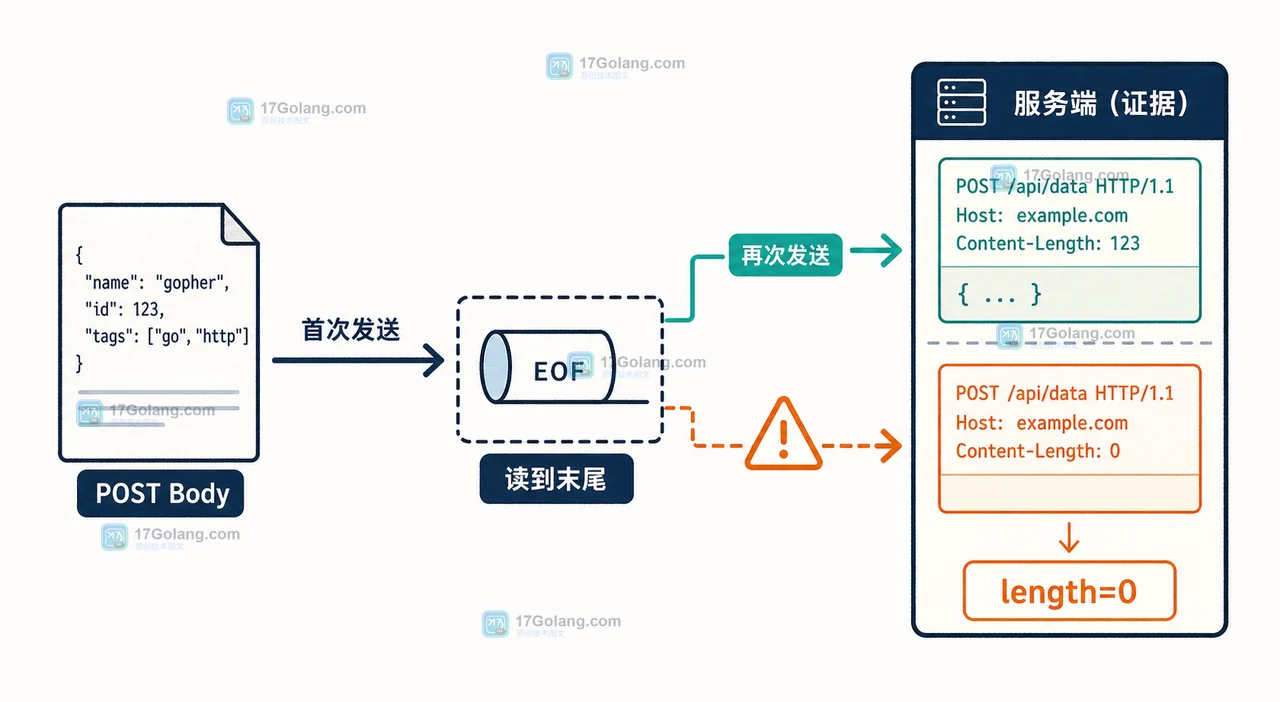
- Golang · Go问答 | 1天前 | net/http · Go问答 · HTTP重试 · 请求体 · 接口稳定性 · net/http Go HTTP重试 Request.GetBody Request.Clone 请求体复用
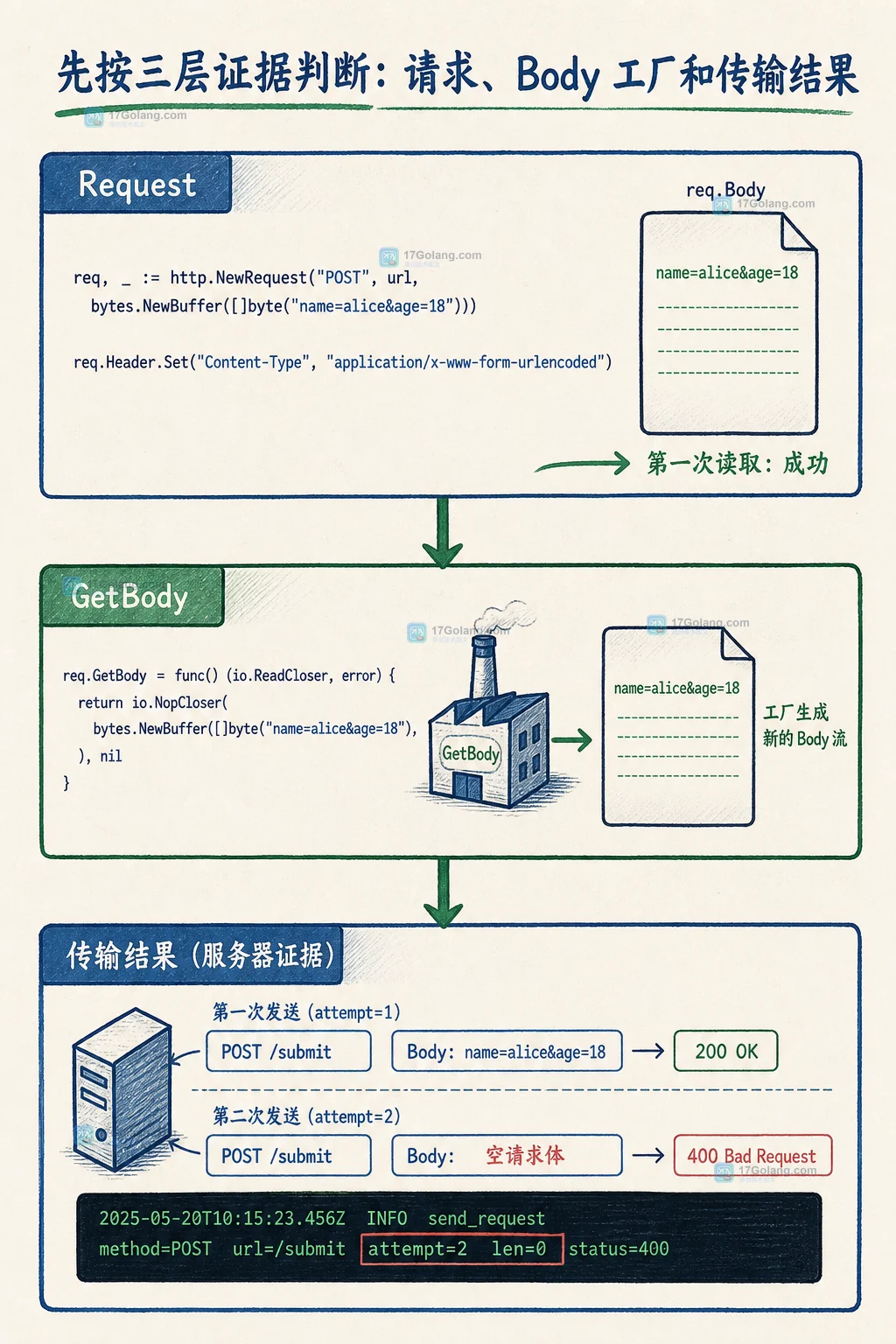
- Go HTTP 重试为什么请求体变空:GetBody、Request.Clone 与可重放边界
- 273浏览 收藏
-
- Golang · Go问答 | 1天前 | go · 安全 · net/http · HTTP重定向 · 请求头 · 请求头 Authorization 安全边界 CheckRedirect Go HTTP重定向
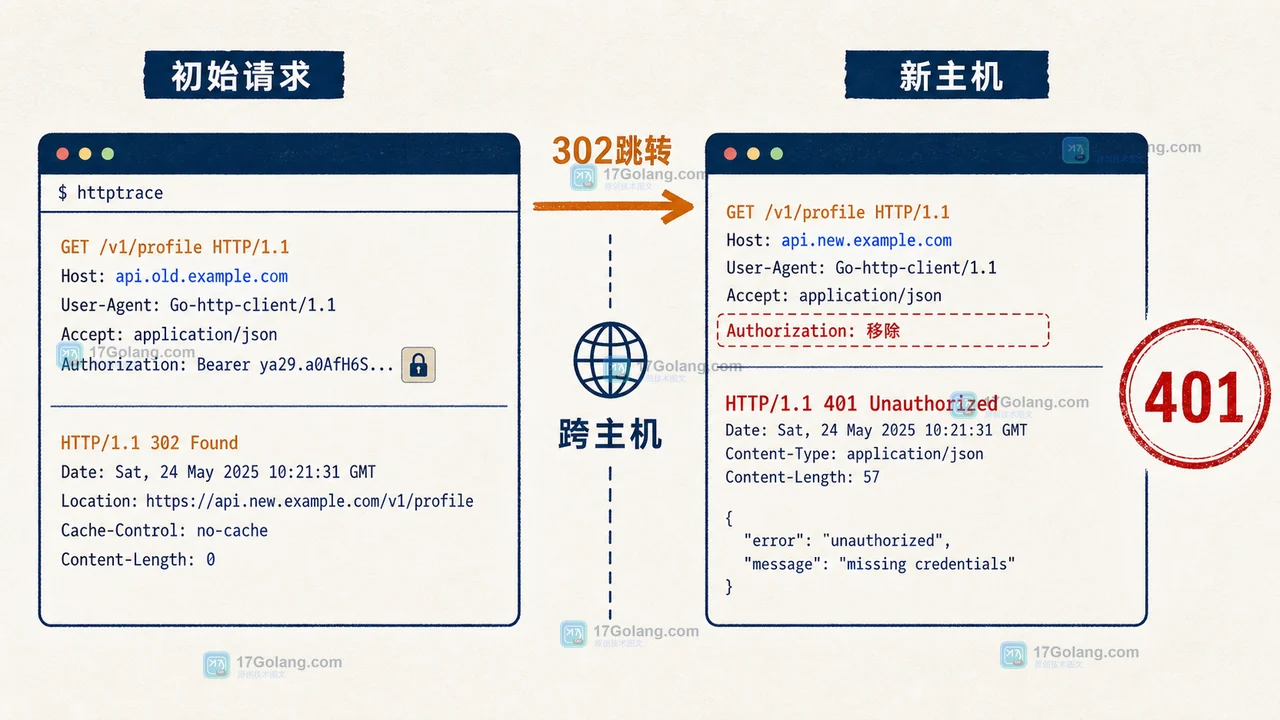
- Go HTTP 重定向为什么请求头会消失:CheckRedirect 与敏感头安全边界
- 268浏览 收藏
-
- Golang · Go问答 | 1天前 | 错误处理 · go · SQL · database/sql · 线上排查 · SCAN 查询结果 database/sql Go问答 rows.Next Rows.Err
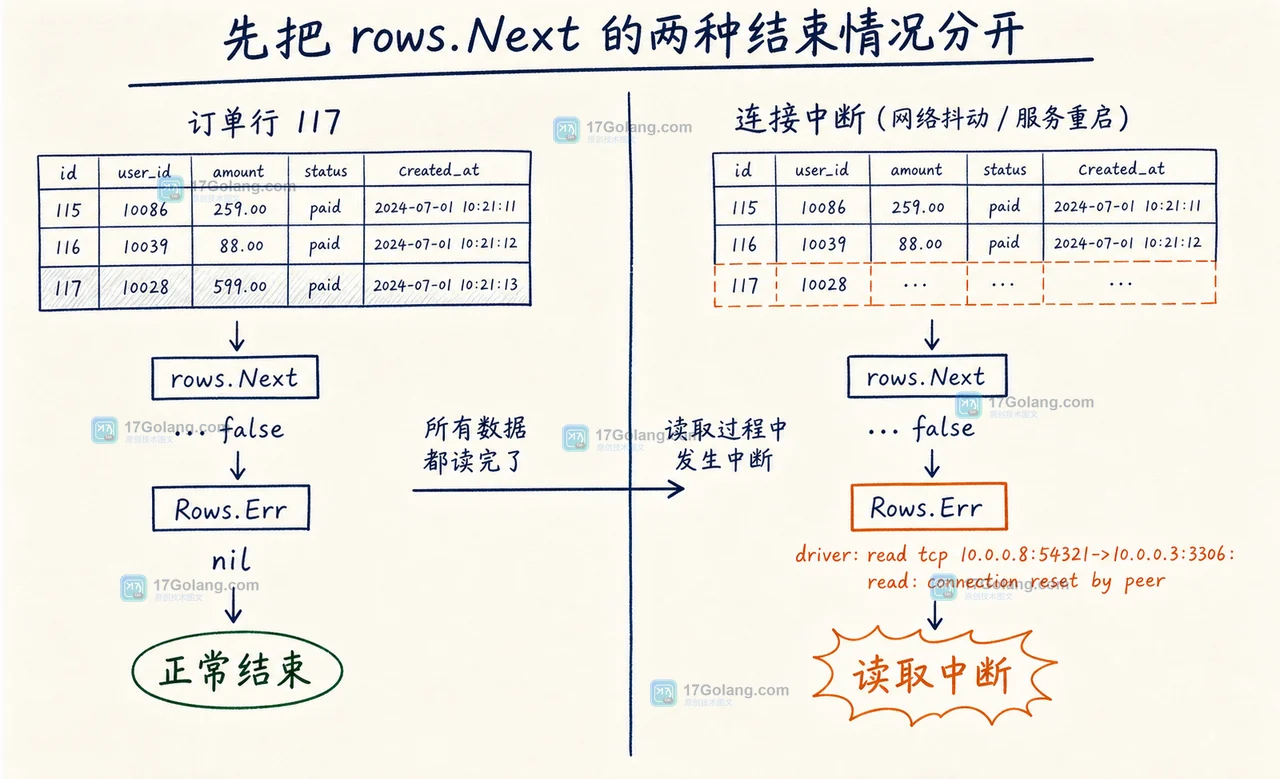
- Go rows.Next 返回 false 不一定是查完:Err、Close 和扫描失败怎么定位
- 292浏览 收藏
-
- Golang · Go问答 | 1天前 | 超时 · 错误处理 · go · Context · errors.Is Go context deadline exceeded WithCancelCause
- Go context deadline exceeded 怎么区分上游取消和下游超时:Cause 与 errors.Is 的判断顺序
- 309浏览 收藏
-
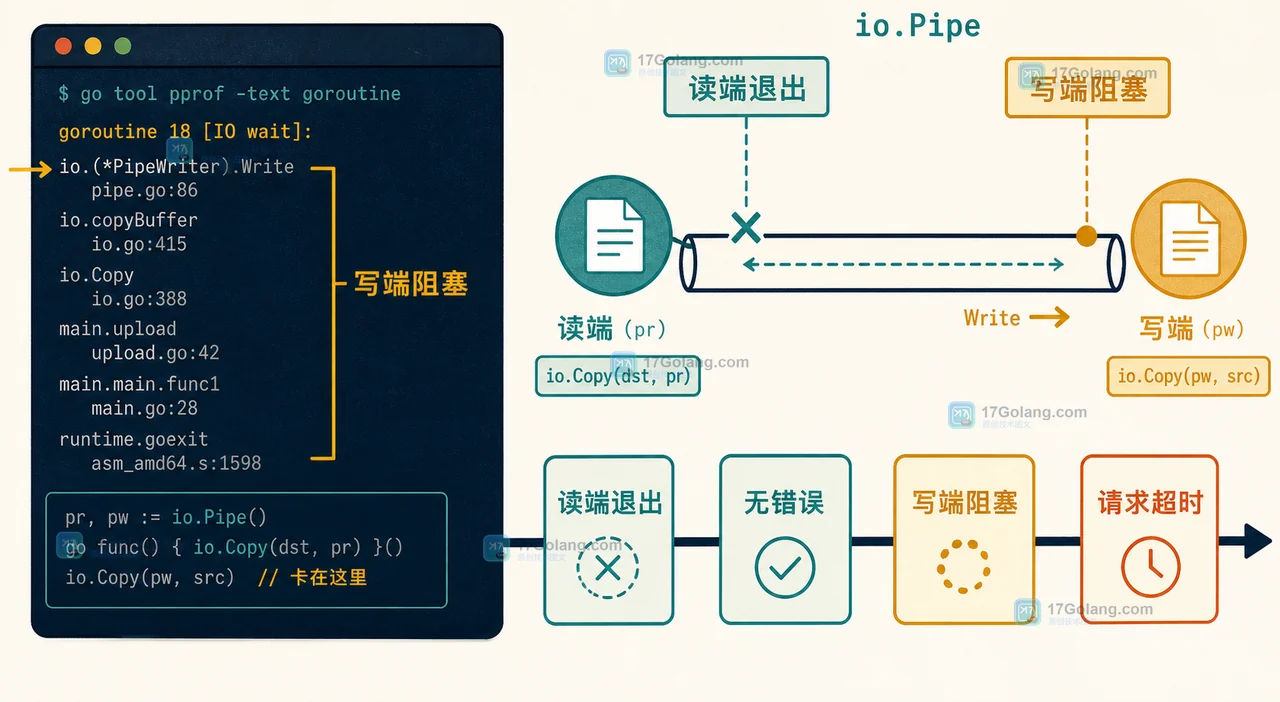
- Golang · Go问答 | 1天前 |
- Go io.Pipe 流式上传为什么会卡住:CloseWithError、背压与退出顺序
- 182浏览 收藏
-
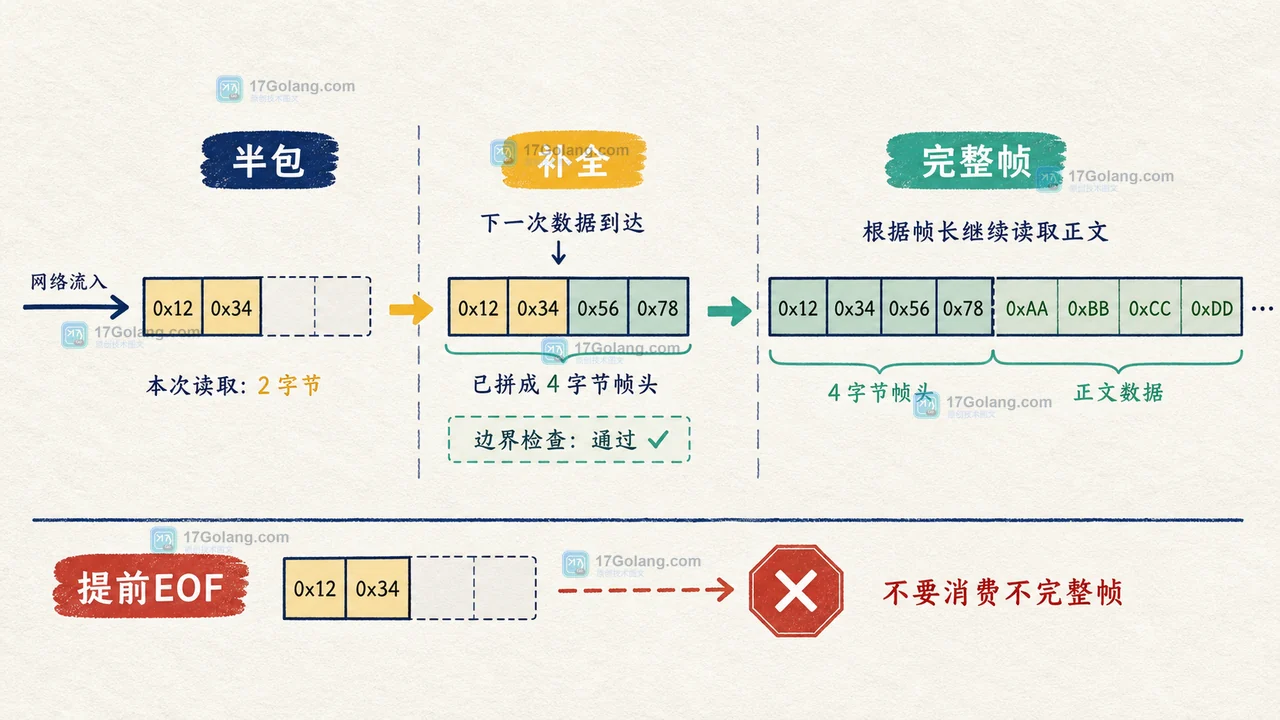
- Golang · Go问答 | 2天前 | 标准库 · bufio · 网络协议 · Go问答 · 流式读取 · peek Go bufio.Reader 协议解析 Go问答 Discard UnreadByte
- Go bufio.Reader 解析变长帧时怎么划分边界:Peek、Discard 与 UnreadByte
- 414浏览 收藏

-

- 前端进阶之JavaScript设计模式
- 设计模式是开发人员在软件开发过程中面临一般问题时的解决方案,代表了最佳的实践。本课程的主打内容包括JS常见设计模式以及具体应用场景,打造一站式知识长龙服务,适合有JS基础的同学学习。
- 543次学习
-

- GO语言核心编程课程
- 本课程采用真实案例,全面具体可落地,从理论到实践,一步一步将GO核心编程技术、编程思想、底层实现融会贯通,使学习者贴近时代脉搏,做IT互联网时代的弄潮儿。
- 516次学习
-

- 简单聊聊mysql8与网络通信
- 如有问题加微信:Le-studyg;在课程中,我们将首先介绍MySQL8的新特性,包括性能优化、安全增强、新数据类型等,帮助学生快速熟悉MySQL8的最新功能。接着,我们将深入解析MySQL的网络通信机制,包括协议、连接管理、数据传输等,让
- 500次学习
-

- JavaScript正则表达式基础与实战
- 在任何一门编程语言中,正则表达式,都是一项重要的知识,它提供了高效的字符串匹配与捕获机制,可以极大的简化程序设计。
- 487次学习
-

- 从零制作响应式网站—Grid布局
- 本系列教程将展示从零制作一个假想的网络科技公司官网,分为导航,轮播,关于我们,成功案例,服务流程,团队介绍,数据部分,公司动态,底部信息等内容区块。网站整体采用CSSGrid布局,支持响应式,有流畅过渡和展现动画。
- 485次学习
-

- ljg-skills
- ljg-skills 是李继刚开源的 AI 技能与提示词集合,面向大模型使用者整理了一批可复用的 prompt、角色设定和任务技能模板,适合用于学习提示词设计、搭建个人 AI 工作流和沉淀团队常用智能体能力。
- 4683次使用
-

- MELO音乐
- MELO音乐是一站式AI视频与音乐制作助手,对标suno, udio的高品质体验。提供伴奏生成、原创写词、无损导出、哼唱识曲、混音变声等全套音频与短视频编辑工具。无论是流行Kpop、电音说唱、民谣古风、摇滚儿歌还是商用轻音乐,MELO为你免费谱曲,轻松做同款!
- 4296次使用
-

- UniScribe
- UniScribe 是一款 AI 音视频转文字与内容整理工具,支持上传音频、视频文件或粘贴 YouTube 链接,自动生成转写文本、摘要、思维导图和关键问题,并支持多格式导出,适合会议记录、课程学习、访谈整理和内容创作复盘。
- 4244次使用
-

- 剧云
- 剧云是专业中文剧本创作平台,安全稳定运行十余年,集成AI编剧、剧本医生审核、人物小传、剧情关系图、大纲编写、多人协作、Word导入导出、版权管控功能,数据安全防护,轻松高效创作剧本。
- 4464次使用
-

- 万象有声
- 万象有声,一个专为有声创作者打造的新一代智能有声内容创作平台。平台提供专业的智能拆章、智能画本编辑、AI配音、AI生成音效、后期制作、智能对轨、智能审听等有声创作全流程工具,可以帮助创作者高效、低成本创作出引人入胜的有声作品。立即体验,让有声书制作更简单!
- 4427次使用
-
- GOLANG使用Context管理关联goroutine的方法
- 2022-12-28 193浏览
-
- 聊聊Go中的注释和godoc工具
- 2022-12-29 354浏览
-
- 聊聊Golang语言中的复数类型
- 2023-01-07 418浏览
-
- 浅析Golang中的浮点类型(float32和float64)
- 2022-12-23 161浏览
-
- 聊聊Golang中的整数类型
- 2022-12-24 209浏览


