
Inserting and selecting PostGIS Geometry with Gorm
小伙伴们对Golang编程感兴趣吗?是否正在学习相关知识点?如果是,那么本文《Inserting and selecting PostGIS Geometry with Gorm》,就很适合你,本篇文章讲解的知识点主要包括golang。在之后的文章中也会多多分享相关知识点,希望对大家的知识积累有所帮助!
问题内容
I've been trying to find a way to insert and retrieve geometric types using Golang, and specifically the library gorm. I'm also attempting to use the library orb that defines different types for geometries, and provides encoding/decoding between different formats.
Orb has Scan() and Value() methods already implemented for each type. This
allows go's Insert() and Scan() functions to work with types other than
primitives. Orb expects however to be using geometry represented in the well-
known binary (WKB) format.
The orb documentation shows that to accomplish this, you should simply wrap
the field in the PostGIS functions ST_AsBinary() and ST_GeomFromWKB() for
querying and inserting respectively. For example, with a table defined as:
_, err = db.Exec(`
        CREATE TABLE IF NOT EXISTS orbtest (
            id SERIAL PRIMARY KEY,
            name TEXT NOT NULL,
            geom geometry(POLYGON, 4326) NOT NULL
        );
    `)
You can just do:
rows, err := db.Query("SELECT id, name, ST_AsBinary(geom) FROM orbtest LIMIT 1")
And for insert (where p is an orb.Point):
db.Exec("INSERT INTO orbtest (id, name, geom) VALUES ($1, $2, ST_GeomFromWKB($3))", 1, "Test", wkb.Value(p))
Here's my issue: By using GORM, I don't have the luxury of being able to build
those queries with those functions. GORM will automatically insert values into
the database given a struct, and will scan in data into the whole hierarchy of
the struct. Those Scan() and Value() methods are called behind the scenes,
without my control.
Trying to directly insert binary data into a geometry column won't work, and directly querying a geometry column will give the result in hex.
I've tried multiple database approaches to solve this. I've attempted creating views that automatically call the needed functions on the geometry columns. This worked for querying, but not inserting.
Is it possible to make some sort of trigger or rule that would automatically call the needed functions on the data coming in/out?
I should also note that the library I'm working on works completely independent of the data and schemas, so I don't have the luxury of hard coding any sort of query. I could of course write a function that scans the entire data model, and generates queries from scratch, but I'd prefer if there was a better option.
Does anyone know of a way of making this work in SQL? Being able to call functions on a column automatically by just querying the column itself?
Any advice would be greatly appreciated.
正确答案
Another solution, which I ended up using was with go-
geos, as I discovered I needed to use
the GEOS C library. With that, I am able to convert the struct into WKT for
inserting (as postgis accepts it as regular text) and convert from WKB when
scanning.
type Geometry4326 *geos.Geometry

// Value converts the given Geometry4326 struct into WKT such that it can be stored in a
// database. Implements Valuer interface for use with database operations.
func (g Geometry4326) Value() (driver.Value, error) {

    str, err := g.ToWKT()
    if err != nil {
        return nil, err
    }

    return "SRID=4326;" + str, nil
}

// Scan converts the hexadecimal representation of geometry into the given Geometry4326
// struct. Implements Scanner interface for use with database operations.
func (g *Geometry4326) Scan(value interface{}) error {

    bytes, ok := value.([]byte)
    if !ok {
        return errors.New("cannot convert database value to geometry")
    }

    str := string(bytes)

    geom, err := geos.FromHex(str)
    if err != nil {
        return errors.Wrap(err, "cannot get geometry from hex")
    }

    geometry := Geometry4326(geom)
    *g = geometry

    return nil
}
This solution might not be ideal for everyone as not everyone needs to use the GEOS C library, which can be a pain to get working on windows. I'm sure though that the same thing can be accomplished using different libraries.
I additionally implemented UnmarshalJSON() and MarshalJSON() on the struct
so that it can automatically Marshal/Unmarshal GeoJSON, and then save/get from
the database seamlessly. I accomplished this using geojson-
go to convert GeoJSON to/from a
struct, and then [geojson-geos-go](https://github.com/venicegeo/geojson-geos-
go) to convert said struct into the go-
geos struct I was using. A little
convoluted, yes, but it works.
今天关于《Inserting and selecting PostGIS Geometry with Gorm》的内容就介绍到这里了,是不是学起来一目了然!想要了解更多关于golang的内容请关注golang学习网公众号!
 无法在现有服务器上使用 go tool pprof
- 上一篇
- 无法在现有服务器上使用 go tool pprof
- 下一篇
- 如何从 JWT 令牌中提取声明
-

- 奋斗的龙猫
- 这篇博文出现的刚刚好,细节满满,真优秀,收藏了,关注大佬了!希望大佬能多写Golang相关的文章。
- 2023-05-14 14:59:21
-
- 火星上的凉面
- 真优秀,一直没懂这个问题,但其实工作中常常有遇到...不过今天到这,帮助很大,总算是懂了,感谢楼主分享博文!
- 2023-05-14 02:14:07
-

- Golang · Go问答 | 16小时前 | HTTP · net/http · Go问答 · 流式响应 · ResponseController · net/http FLUSH 流式响应 Go问答 ResponseController FullDuplex 写超时
- Go http.ResponseController 有什么用?Flush、写超时和 FullDuplex 这样理解
- 161浏览 收藏
-
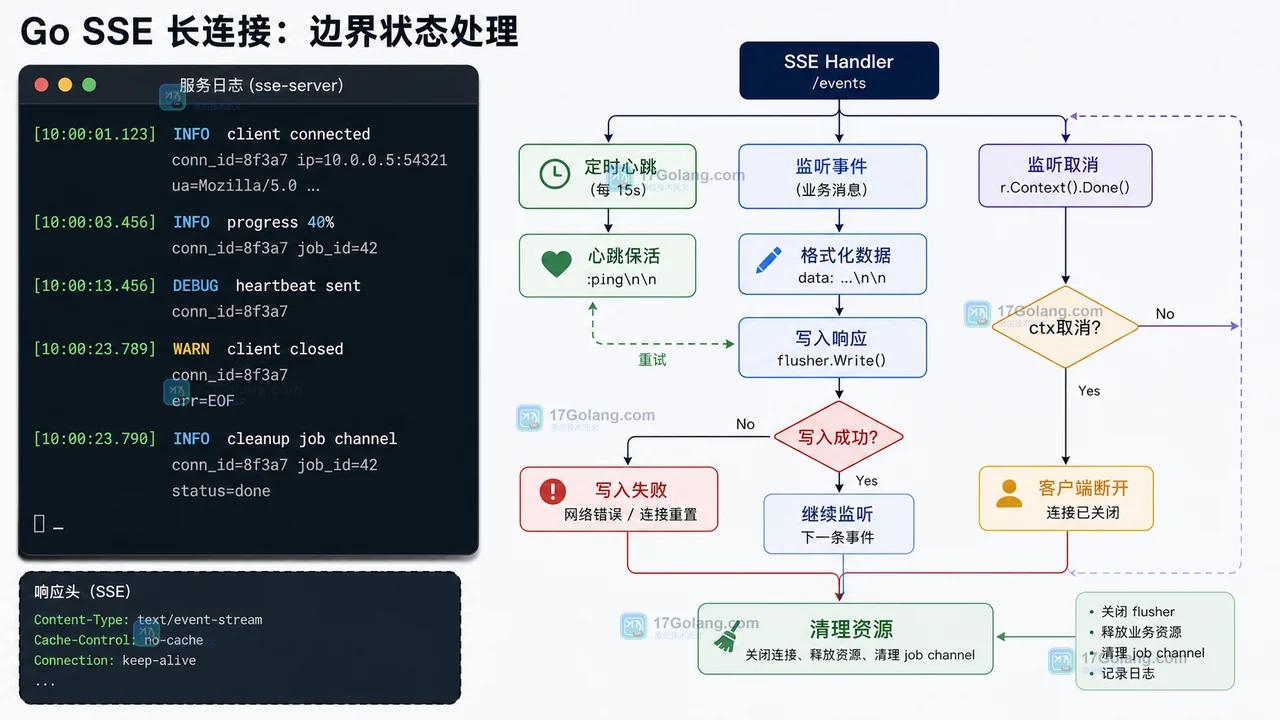
- Golang · Go问答 | 17小时前 | HTTP · sse · Go问答 · 用户体验 · 流式响应 · Go EventSource SSE Go问答 Server-Sent Events 长任务进度 http.Flusher
- Go 长任务接口怎么返回进度?SSE 流式推送的最小写法
- 293浏览 收藏
-
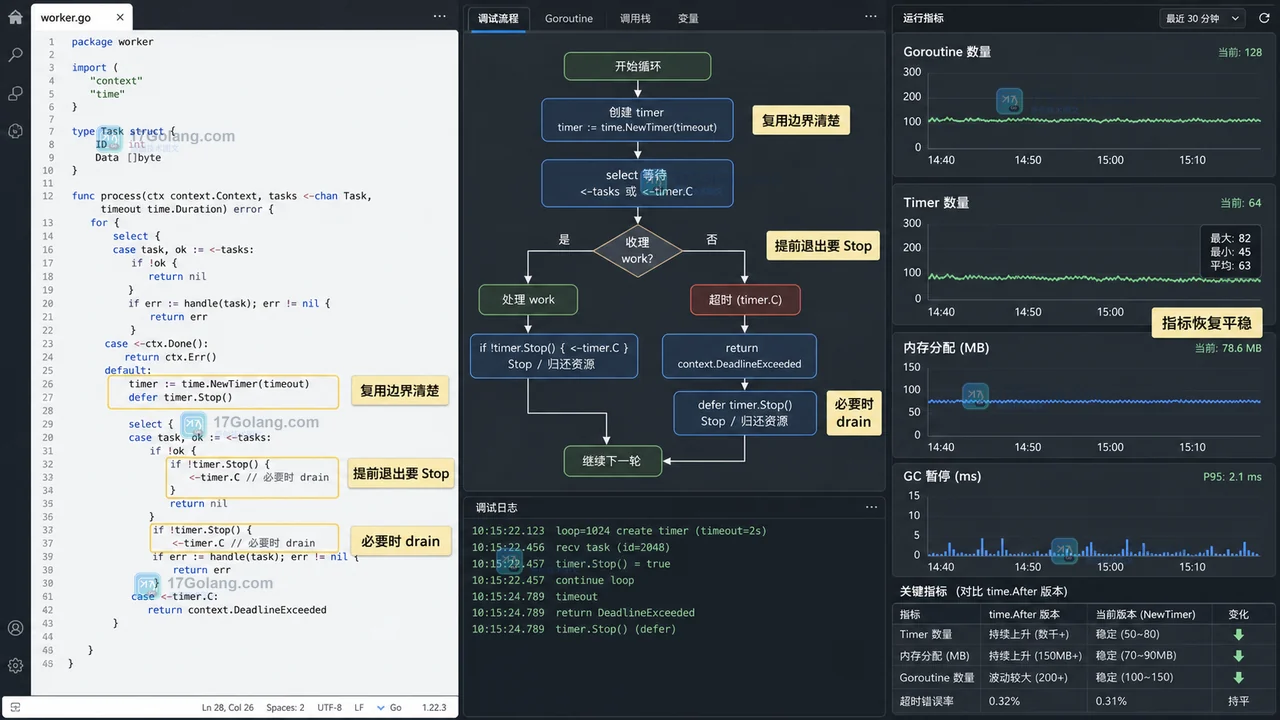
- Golang · Go问答 | 17小时前 | Timer · 性能优化 · time.After · Go问答 · Go 内存优化 Timer time.After Go问答 time.NewTimer Go1.23
- Go time.After 放在循环里还会泄漏吗?从 Go 1.23 变化到工程写法
- 384浏览 收藏
-
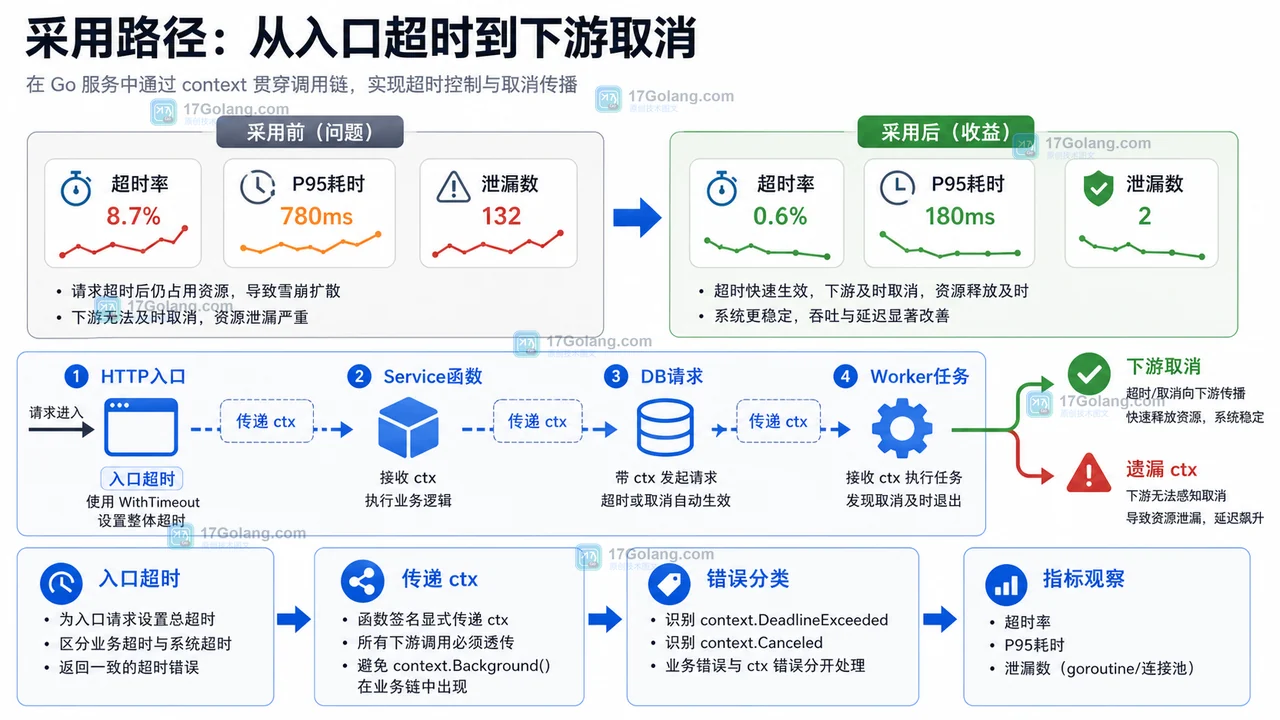
- Golang · Go问答 | 19小时前 | go · Context · 并发编程 · 接口超时 · 超时控制 goroutine泄漏 WithTimeout Go context Go问答 CancelFunc
- Go context 超时取消为什么重要:从接口耗时到 goroutine 泄漏的治理思路
- 477浏览 收藏
-
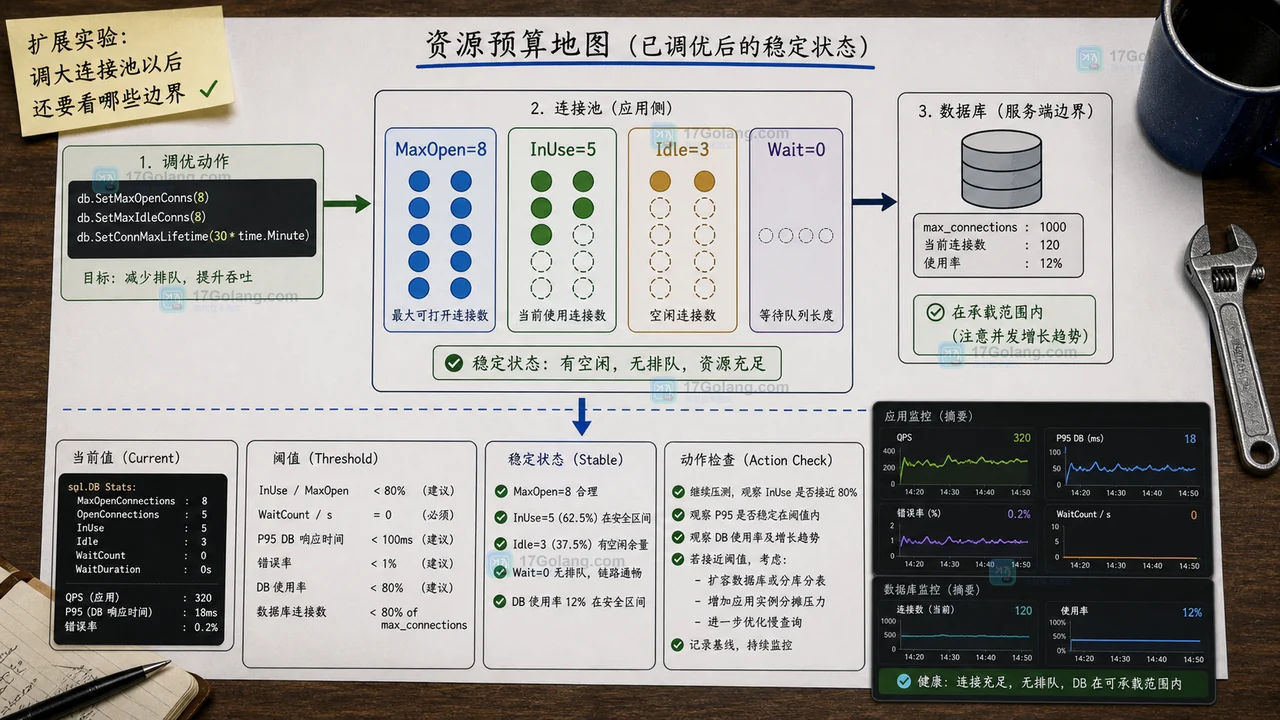
- Golang · Go问答 | 1天前 | 连接池 · 性能排查 · database/sql · Go问答 · Go 连接池 DBStats sql.DB WaitCount SetMaxOpenConns
- Go sql.DB WaitCount 为什么增长:用小实验看连接池预算怎么调
- 214浏览 收藏
-
![Go nil slice 为什么 JSON 是 null:接口数组字段统一成 [] 的迁移清单](/uploads/20260628/1782577125-go-nil-slice-json-diff.webp)
- Golang · Go问答 | 4天前 | JSON · 接口设计 · Go问答 · nil slice · Go 接口兼容 json.Marshal nil slice empty slice 数组字段
- Go nil slice 为什么 JSON 是 null:接口数组字段统一成 [] 的迁移清单
- 305浏览 收藏
-

- 前端进阶之JavaScript设计模式
- 设计模式是开发人员在软件开发过程中面临一般问题时的解决方案,代表了最佳的实践。本课程的主打内容包括JS常见设计模式以及具体应用场景,打造一站式知识长龙服务,适合有JS基础的同学学习。
- 543次学习
-

- GO语言核心编程课程
- 本课程采用真实案例,全面具体可落地,从理论到实践,一步一步将GO核心编程技术、编程思想、底层实现融会贯通,使学习者贴近时代脉搏,做IT互联网时代的弄潮儿。
- 516次学习
-

- 简单聊聊mysql8与网络通信
- 如有问题加微信:Le-studyg;在课程中,我们将首先介绍MySQL8的新特性,包括性能优化、安全增强、新数据类型等,帮助学生快速熟悉MySQL8的最新功能。接着,我们将深入解析MySQL的网络通信机制,包括协议、连接管理、数据传输等,让
- 500次学习
-

- JavaScript正则表达式基础与实战
- 在任何一门编程语言中,正则表达式,都是一项重要的知识,它提供了高效的字符串匹配与捕获机制,可以极大的简化程序设计。
- 487次学习
-

- 从零制作响应式网站—Grid布局
- 本系列教程将展示从零制作一个假想的网络科技公司官网,分为导航,轮播,关于我们,成功案例,服务流程,团队介绍,数据部分,公司动态,底部信息等内容区块。网站整体采用CSSGrid布局,支持响应式,有流畅过渡和展现动画。
- 485次学习
-

- ljg-skills
- ljg-skills 是李继刚开源的 AI 技能与提示词集合,面向大模型使用者整理了一批可复用的 prompt、角色设定和任务技能模板,适合用于学习提示词设计、搭建个人 AI 工作流和沉淀团队常用智能体能力。
- 3275次使用
-

- MELO音乐
- MELO音乐是一站式AI视频与音乐制作助手,对标suno, udio的高品质体验。提供伴奏生成、原创写词、无损导出、哼唱识曲、混音变声等全套音频与短视频编辑工具。无论是流行Kpop、电音说唱、民谣古风、摇滚儿歌还是商用轻音乐,MELO为你免费谱曲,轻松做同款!
- 3025次使用
-

- UniScribe
- UniScribe 是一款 AI 音视频转文字与内容整理工具,支持上传音频、视频文件或粘贴 YouTube 链接,自动生成转写文本、摘要、思维导图和关键问题,并支持多格式导出,适合会议记录、课程学习、访谈整理和内容创作复盘。
- 2976次使用
-

- 剧云
- 剧云是专业中文剧本创作平台,安全稳定运行十余年,集成AI编剧、剧本医生审核、人物小传、剧情关系图、大纲编写、多人协作、Word导入导出、版权管控功能,数据安全防护,轻松高效创作剧本。
- 3183次使用
-

- 万象有声
- 万象有声,一个专为有声创作者打造的新一代智能有声内容创作平台。平台提供专业的智能拆章、智能画本编辑、AI配音、AI生成音效、后期制作、智能对轨、智能审听等有声创作全流程工具,可以帮助创作者高效、低成本创作出引人入胜的有声作品。立即体验,让有声书制作更简单!
- 3141次使用
-
- golang 中是否有更好的依赖注入模式?
- 2023-03-27 100浏览
-
- 在 Go 中 defer 关键字是如何工作的
- 2023-04-17 100浏览
-
- Go 语言中的 >> 是什么意思?
- 2023-04-19 100浏览
-
- Golang net.Conn 并行写入
- 2023-04-25 100浏览
-
- Go 中的 Python 样式生成器
- 2023-05-02 100浏览


