
Java继承中子类方法保留技巧
怎么入门文章编程?需要学习哪些知识点?这是新手们刚接触编程时常见的问题;下面golang学习网就来给大家整理分享一些知识点,希望能够给初学者一些帮助。本篇文章就来介绍《Java继承中子类方法值保留技巧》,涉及到,有需要的可以收藏一下
本文旨在解决Java继承中,子类方法修改父类属性后,数值未正确保持的问题。通过分析示例代码,解释了局部变量与成员变量的区别,并提供了修改方案,确保子类方法能够正确更新父类状态,从而实现期望的程序行为。
在Java的继承体系中,子类可以继承父类的属性和方法。然而,在子类方法中直接修改从父类继承来的属性时,可能会遇到数值未正确保持的问题。这通常是由于对变量作用域理解不当造成的。以下将通过一个账户管理的例子,详细讲解如何解决这个问题。
问题分析
考虑一个BaseAccount(基础账户)类和一个继承自BaseAccount的DebitCard(借记卡)类。BaseAccount类维护账户余额,DebitCard类提供取款功能。问题在于,当在DebitCard类的withdraw(取款)方法中执行取款操作后,账户余额并未正确更新。
示例代码
以下是原始代码:
public class BaseAccount {

    private double opening;
    private double currentAmount = 0.0;
    private double amount;

    public BaseAccount(double opening, double currentAmount, double amount) {
        this.opening = opening;
        this.currentAmount = currentAmount;
        this.amount = amount;
    }

    public double getOpening() {
        return opening;
    }

    public void setOpening(double opening) {
        this.opening = opening;
    }

    public double getCurrentAmount() {
        return currentAmount;
    }

    public void setCurrentAmount(double currentAmount) {
        this.currentAmount = currentAmount;
    }

    public double getAmount() {
        return amount;
    }

    public void setAmount(double amount) {
        this.amount = amount;
    }

    public String opening(double opening) {
        this.opening = opening;
        this.currentAmount = currentAmount + opening;
        return "This account has been openend with " + this.opening;
    }

    public String deposit(double amount) {
        this.currentAmount += amount;
        return "Depositing " + amount;
    }

    public String balance() {
        return "Balance: " + currentAmount;
    }
}

public class DebitCard extends BaseAccount {

    public DebitCard(double opening, double currentAmount, double amount) {
        super(opening, currentAmount, amount);
    }

    public String withdraw(double amount) {
        double currentAmount = getCurrentAmount() - amount;
        return amount + " have been retired. \nBalance: " + currentAmount;
    }
}

public class Inheritance {

    public static void main(String[] args) {
        BaseAccount base1 = new BaseAccount(0, 0, 0);
        System.out.println(base1.opening(500));
        System.out.println(base1.deposit(22.22));
        System.out.println(base1.balance());

        DebitCard debit1 = new DebitCard(0, 0, 0);
        System.out.println(debit1.opening(400));
        System.out.println(debit1.deposit(33.33));
        System.out.println(debit1.balance());
        System.out.println(debit1.withdraw(33.33));
        System.out.println(debit1.balance());
    }
}
问题根源
在DebitCard类的withdraw方法中,以下代码是问题的关键:
double currentAmount = getCurrentAmount() - amount;
这行代码创建了一个局部变量 currentAmount,并将其初始化为取款后的余额。然而,它并没有修改BaseAccount类中声明的currentAmount 成员变量。因此,当调用balance()方法时,返回的仍然是未取款前的余额。
解决方案
要解决这个问题,需要使用setCurrentAmount()方法来更新BaseAccount类的currentAmount成员变量。修改后的withdraw方法如下:
public String withdraw(double amount) {
    double currentAmount = getCurrentAmount() - amount;
    setCurrentAmount(currentAmount);
    return amount + " have been retired. \nBalance: " + currentAmount;
}
这段代码首先计算取款后的余额,然后使用setCurrentAmount()方法将新的余额值赋给BaseAccount类的currentAmount成员变量。这样,balance()方法就能返回正确的余额。
完整代码
以下是修改后的完整代码:
public class BaseAccount {

    private double opening;
    private double currentAmount = 0.0;
    private double amount;

    public BaseAccount(double opening, double currentAmount, double amount) {
        this.opening = opening;
        this.currentAmount = currentAmount;
        this.amount = amount;
    }

    public double getOpening() {
        return opening;
    }

    public void setOpening(double opening) {
        this.opening = opening;
    }

    public double getCurrentAmount() {
        return currentAmount;
    }

    public void setCurrentAmount(double currentAmount) {
        this.currentAmount = currentAmount;
    }

    public double getAmount() {
        return amount;
    }

    public void setAmount(double amount) {
        this.amount = amount;
    }

    public String opening(double opening) {
        this.opening = opening;
        this.currentAmount = currentAmount + opening;
        return "This account has been openend with " + this.opening;
    }

    public String deposit(double amount) {
        this.currentAmount += amount;
        return "Depositing " + amount;
    }

    public String balance() {
        return "Balance: " + currentAmount;
    }
}

public class DebitCard extends BaseAccount {

    public DebitCard(double opening, double currentAmount, double amount) {
        super(opening, currentAmount, amount);
    }

    public String withdraw(double amount) {
        double currentAmount = getCurrentAmount() - amount;
        setCurrentAmount(currentAmount);
        return amount + " have been retired. \nBalance: " + currentAmount;
    }
}

public class Inheritance {

    public static void main(String[] args) {
        BaseAccount base1 = new BaseAccount(0, 0, 0);
        System.out.println(base1.opening(500));
        System.out.println(base1.deposit(22.22));
        System.out.println(base1.balance());

        DebitCard debit1 = new DebitCard(0, 0, 0);
        System.out.println(debit1.opening(400));
        System.out.println(debit1.deposit(33.33));
        System.out.println(debit1.balance());
        System.out.println(debit1.withdraw(33.33));
        System.out.println(debit1.balance());
    }
}
运行结果
修改后的代码运行结果如下:
This account has been opened with 500.0
Depositing 22.22
Balance: 522.22
This account has been opened with 400.0
Depositing 33.33
Balance: 433.33
33.33 have been retired.
Balance: 400.0
Balance: 400.0
可以看到,取款后,账户余额已经正确更新。
注意事项
- 务必区分局部变量和成员变量的作用域。
- 在子类方法中修改父类属性时,应使用父类提供的getter和setter方法,以确保状态同步。
- 考虑封装性,尽量避免直接访问父类的私有属性。
总结
通过本文的讲解,我们了解了在Java继承中,子类方法修改父类属性时可能遇到的问题,以及如何使用setter方法来正确更新父类状态。理解变量作用域和封装性是解决此类问题的关键。希望本文能帮助读者更好地理解和应用Java继承。
今天关于《Java继承中子类方法保留技巧》的内容介绍就到此结束,如果有什么疑问或者建议,可以在golang学习网公众号下多多回复交流;文中若有不正之处,也希望回复留言以告知!
 PyCharm账号登录方法与问题解决
- 上一篇
- PyCharm账号登录方法与问题解决

- 下一篇
- 智学网学习报告查看与分析方法
-
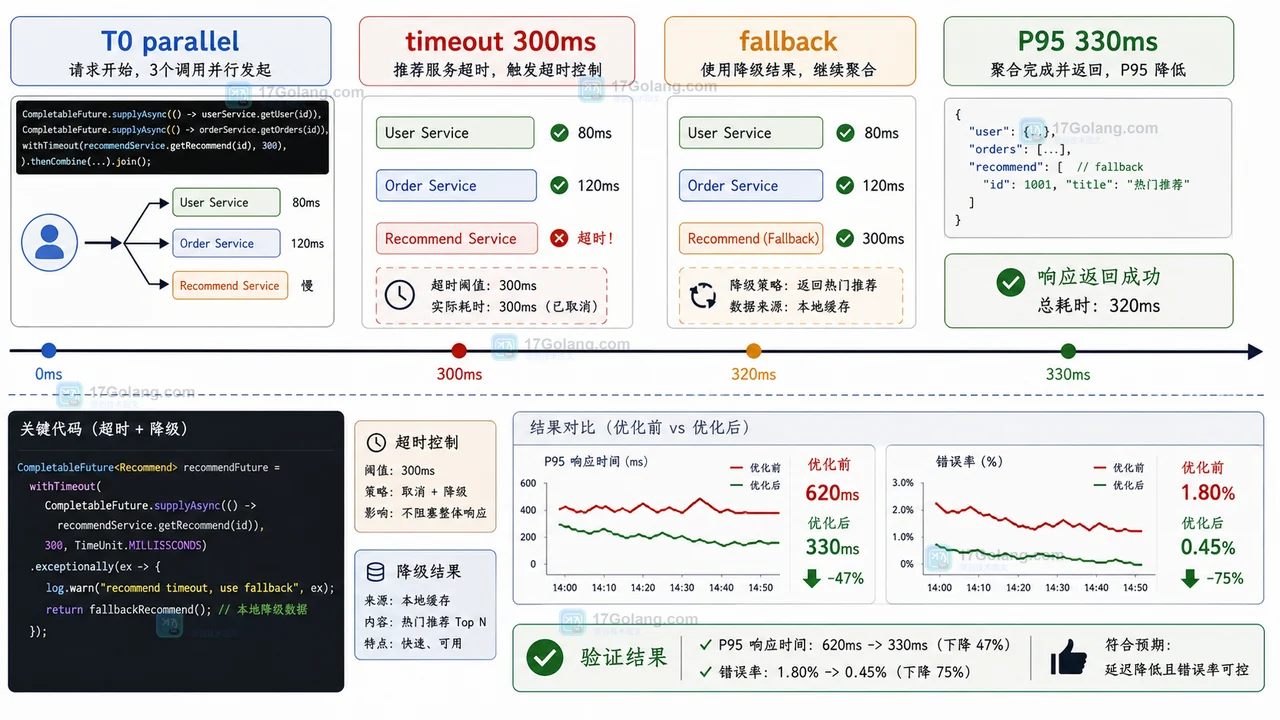
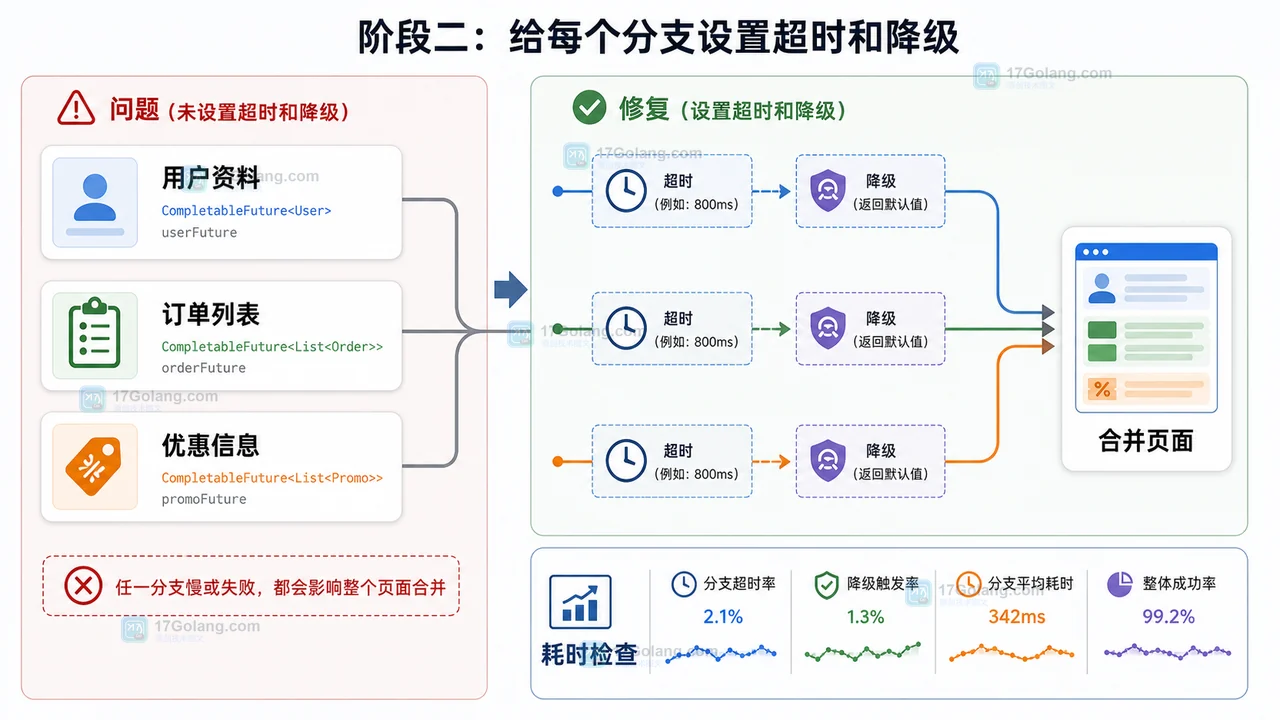
- 文章 · java教程 | 1天前 | 性能优化 · Java教程 · CompletableFuture · 接口聚合 · java completablefuture orTimeout completeOnTimeout 接口性能 P95
- Java CompletableFuture 聚合接口优化:用超时兜底把 P95 从 920ms 降到 330ms
- 255浏览 收藏
-
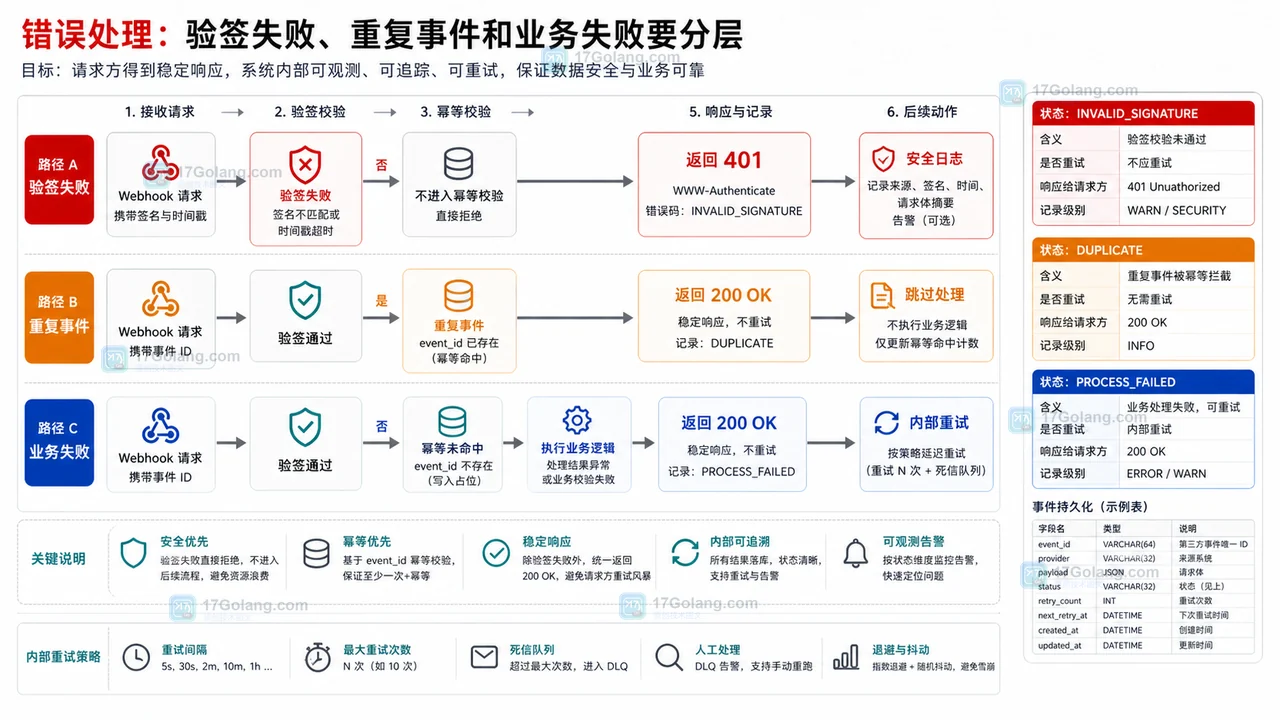
- 文章 · java教程 | 2天前 | Spring Boot · Java教程 · 接口设计 · Webhook · 幂等设计 · java spring boot WebHook 回调接口 幂等 状态流转 验签
- Java Webhook 回调接收接口设计:验签、幂等和状态流转
- 488浏览 收藏
-
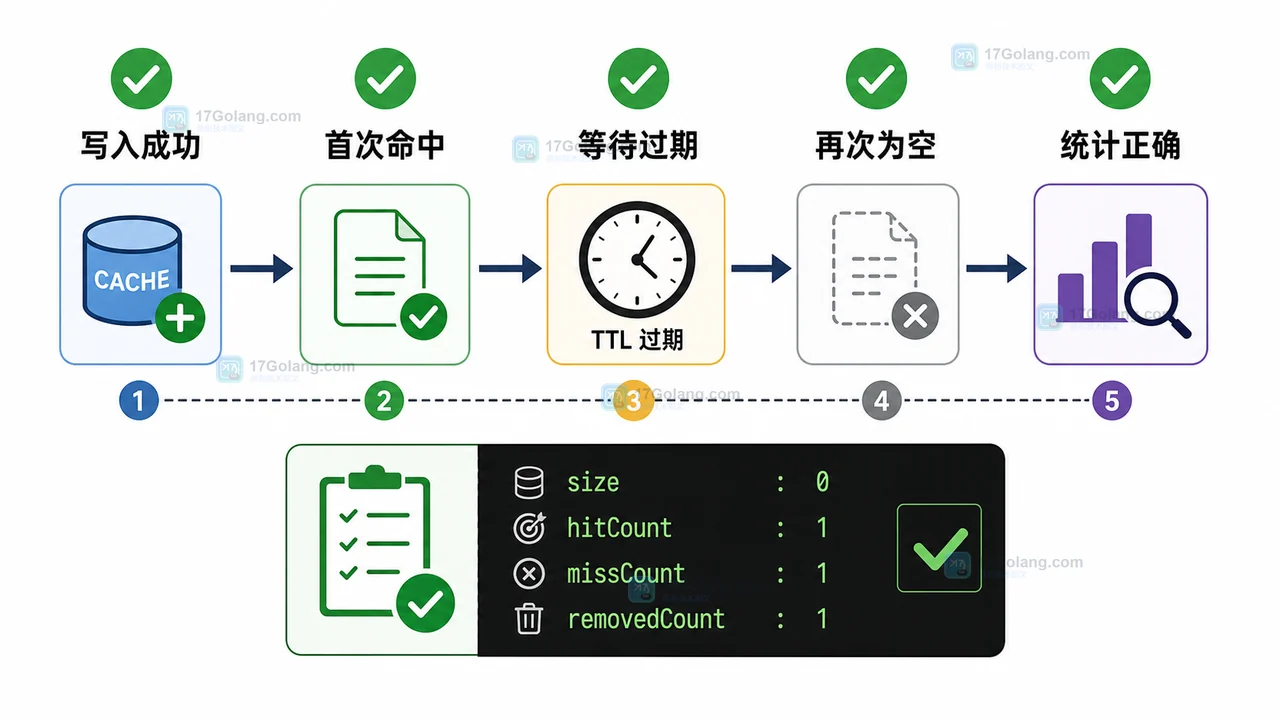
- 文章 · java教程 | 3天前 | Java教程 · TTL缓存 · ConcurrentHashMap · 小项目 · java 本地缓存 concurrenthashmap TTL缓存 过期淘汰
- Java 本地 TTL 缓存小项目:用 ConcurrentHashMap 实现过期淘汰和命中统计
- 394浏览 收藏
-

- 文章 · java教程 | 4天前 | Java · Stream · 数据处理 · 后端教程 · Java Stream bigdecimal 分组统计 Collectors 订单汇总
- Java Stream 分组统计实验:从订单列表到客户消费汇总
- 355浏览 收藏
-
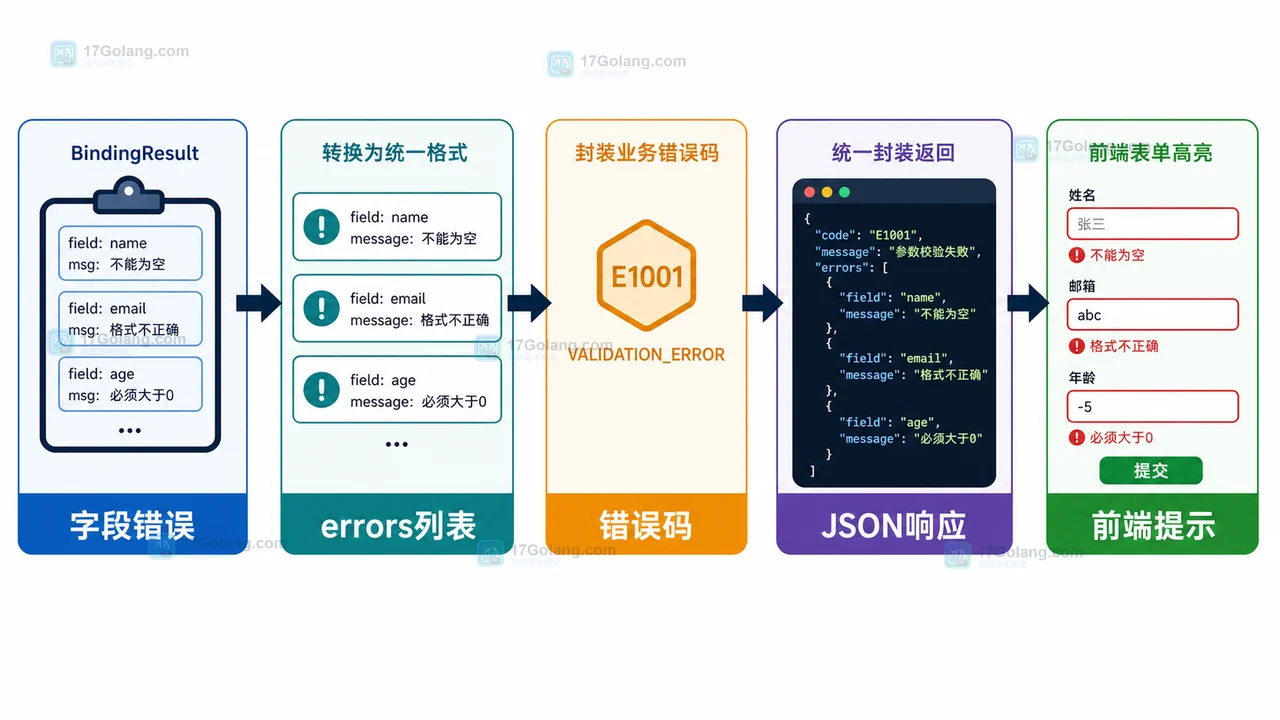
- 文章 · java教程 | 4天前 | Java · Spring Boot · 后端开发 · 接口校验 · java spring boot dto 接口设计 参数校验
- Spring Boot 参数校验工作流:DTO、注解和统一错误响应
- 495浏览 收藏
-
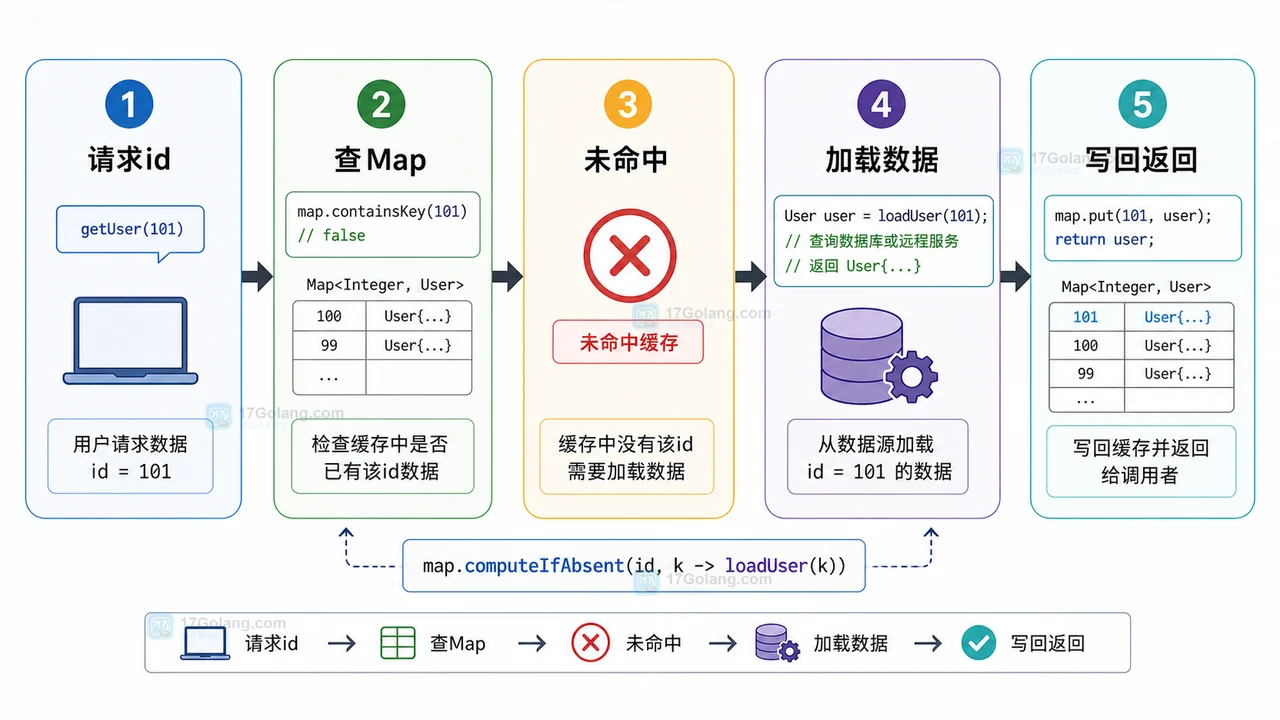
- 文章 · java教程 | 2星期前 | map · 并发安全 · 缓存设计 · Java教程 · java optional concurrenthashmap computeIfAbsent Map缓存
- Java computeIfAbsent 缓存初始化实战:少写判断、避开空值和并发坑
- 236浏览 收藏
-

- 前端进阶之JavaScript设计模式
- 设计模式是开发人员在软件开发过程中面临一般问题时的解决方案,代表了最佳的实践。本课程的主打内容包括JS常见设计模式以及具体应用场景,打造一站式知识长龙服务,适合有JS基础的同学学习。
- 543次学习
-

- GO语言核心编程课程
- 本课程采用真实案例,全面具体可落地,从理论到实践,一步一步将GO核心编程技术、编程思想、底层实现融会贯通,使学习者贴近时代脉搏,做IT互联网时代的弄潮儿。
- 516次学习
-

- 简单聊聊mysql8与网络通信
- 如有问题加微信:Le-studyg;在课程中,我们将首先介绍MySQL8的新特性,包括性能优化、安全增强、新数据类型等,帮助学生快速熟悉MySQL8的最新功能。接着,我们将深入解析MySQL的网络通信机制,包括协议、连接管理、数据传输等,让
- 500次学习
-

- JavaScript正则表达式基础与实战
- 在任何一门编程语言中,正则表达式,都是一项重要的知识,它提供了高效的字符串匹配与捕获机制,可以极大的简化程序设计。
- 487次学习
-

- 从零制作响应式网站—Grid布局
- 本系列教程将展示从零制作一个假想的网络科技公司官网,分为导航,轮播,关于我们,成功案例,服务流程,团队介绍,数据部分,公司动态,底部信息等内容区块。网站整体采用CSSGrid布局,支持响应式,有流畅过渡和展现动画。
- 485次学习
-

- ljg-skills
- ljg-skills 是李继刚开源的 AI 技能与提示词集合,面向大模型使用者整理了一批可复用的 prompt、角色设定和任务技能模板,适合用于学习提示词设计、搭建个人 AI 工作流和沉淀团队常用智能体能力。
- 3202次使用
-

- MELO音乐
- MELO音乐是一站式AI视频与音乐制作助手,对标suno, udio的高品质体验。提供伴奏生成、原创写词、无损导出、哼唱识曲、混音变声等全套音频与短视频编辑工具。无论是流行Kpop、电音说唱、民谣古风、摇滚儿歌还是商用轻音乐,MELO为你免费谱曲,轻松做同款!
- 2954次使用
-

- UniScribe
- UniScribe 是一款 AI 音视频转文字与内容整理工具,支持上传音频、视频文件或粘贴 YouTube 链接,自动生成转写文本、摘要、思维导图和关键问题,并支持多格式导出,适合会议记录、课程学习、访谈整理和内容创作复盘。
- 2909次使用
-

- 剧云
- 剧云是专业中文剧本创作平台,安全稳定运行十余年,集成AI编剧、剧本医生审核、人物小传、剧情关系图、大纲编写、多人协作、Word导入导出、版权管控功能,数据安全防护,轻松高效创作剧本。
- 3112次使用
-

- 万象有声
- 万象有声,一个专为有声创作者打造的新一代智能有声内容创作平台。平台提供专业的智能拆章、智能画本编辑、AI配音、AI生成音效、后期制作、智能对轨、智能审听等有声创作全流程工具,可以帮助创作者高效、低成本创作出引人入胜的有声作品。立即体验,让有声书制作更简单!
- 3069次使用
-
- 矩阵主副对角线快速定位技巧
- 2026-05-31 501浏览
-
- Java多态优化流程代码与行为分发改进
- 2026-05-26 501浏览
-
- JVM 类元数据双亲委派链表深度解析
- 2026-05-21 501浏览
-
- 反射异常处理:InvocationTargetException解析与应用
- 2026-05-16 501浏览
-
- 怎么通过 HTML 的 accesskey 属性为网页中的按钮或链接设置键盘快捷键
- 2026-05-04 501浏览


