
浅析Golang怎么实现锁
来源:亿速云
2023-03-15 17:12:13
0浏览
收藏
对于一个Golang开发者来说,牢固扎实的基础是十分重要的,golang学习网就来带大家一点点的掌握基础知识点。今天本篇文章带大家了解《浅析Golang怎么实现锁》,主要介绍了go语言,希望对大家的知识积累有所帮助,快点收藏起来吧,否则需要时就找不到了!
今天小编给大家分享一下浅析Golang怎么实现锁的相关知识点,内容详细,逻辑清晰,相信大部分人都还太了解这方面的知识,所以分享这篇文章给大家参考一下,希望大家阅读完这篇文章后有所收获,下面我们一起来了解一下吧。
Lock
// Lock locks m.
// If the lock is already in use, the calling goroutine
// blocks until the mutex is available.
func (m *Mutex) Lock() {
  // Fast path: grab unlocked mutex.
  // 上锁,成功返回
  if atomic.CompareAndSwapInt32(&m.state, 0, mutexLocked) {
    if race.Enabled {
      race.Acquire(unsafe.Pointer(m))
    }
    return
  }
  // Slow path (outlined so that the fast path can be inlined)
  //已经锁上的写成进入慢锁流程
  m.lockSlow()
}
lockSlow
func (m *Mutex) lockSlow() {
  var waitStartTime int64 //执行时间
  starving := false //当前请求是否是饥饿模式
  awoke := false //当前请求是否是唤醒状态
  iter := 0 //自旋次数
  old := m.state //旧state值
  for {
    // Don't spin in starvation mode, ownership is handed off to waiters
    // so we won't be able to acquire the mutex anyway.
    //旧state值已上锁,并且未进入饥饿模式,且可以自旋,进入自旋逻辑
    if old&(mutexLocked|mutexStarving) == mutexLocked && runtime_canSpin(iter) {
      // Active spinning makes sense.
      // Try to set mutexWoken flag to inform Unlock
      // to not wake other blocked goroutines.
      // 当前协程未唤醒
      //&& old.state 为未唤起状态,就是说没有其他被唤起的waiter
      //&& waiter数>0
      //&& m.state标记为唤起状态成功
      if !awoke && old&mutexWoken == 0 && old>>mutexWaiterShift != 0 &&
        atomic.CompareAndSwapInt32(&m.state, old, old|mutexWoken) {
        //标记当前协程为唤起状态
        //r: 这是为了通知在解锁Unlock()中不要再唤醒其他的waiter了
        awoke = true
      }
      //自旋
      runtime_doSpin()
      //自旋计数器
      iter++
      old = m.state
      continue
    }
    //r: old是锁当前的状态,new是期望的状态,以期于在后面的CAS操作中更改锁的状态
    //new代表期望的state值
    new := old
    // Don't try to acquire starving mutex, new arriving goroutines must queue.
    //old不是饥饿状态,new带上上锁标志位,也就是饥饿状态不上锁
    if old&mutexStarving == 0 {
      new |= mutexLocked
    }
    //旧state值是上锁状态或饥饿状态,新state waiter数+1
    //r: 表示当前goroutine将被作为waiter置于等待队列队尾
    if old&(mutexLocked|mutexStarving) != 0 {
      new += 1  starvationThresholdNs
      // 再次获取锁状态
      old = m.state
      if old&mutexStarving != 0 {
        // If this goroutine was woken and mutex is in starvation mode,
        // ownership was handed off to us but mutex is in somewhat
        // inconsistent state: mutexLocked is not set and we are still
        // accounted as waiter. Fix that.
        //饥饿模式协程是在Unlock()时handoff到当前协程的

        //r:? 如果当前锁既不是被获取也不是被唤醒状态,或者等待队列为空
        // 这代表锁状态产生了不一致的问题
        if old&(mutexLocked|mutexWoken) != 0 || old>>mutexWaiterShift == 0 {
          throw("sync: inconsistent mutex state")
        }
        //m.state 上锁,waiter数-1
        delta := int32(mutexLocked - 1>mutexWaiterShift == 1 {
          // Exit starvation mode.
          // Critical to do it here and consider wait time.
          // Starvation mode is so inefficient, that two goroutines
          // can go lock-step infinitely once they switch mutex
          // to starvation mode.
          delta -= mutexStarving
        }
        atomic.AddInt32(&m.state, delta)
        //拿到锁,退出.
        break
      }
      awoke = true
      iter = 0
    } else {
      //执行循环前的语句,恢复最新现场
      old = m.state
    }
  }

  if race.Enabled {
    race.Acquire(unsafe.Pointer(m))
  }
}
Unlock
// Unlock unlocks m.
// It is a run-time error if m is not locked on entry to Unlock.
//
// A locked Mutex is not associated with a particular goroutine.
// It is allowed for one goroutine to lock a Mutex and then
// arrange for another goroutine to unlock it.
func (m *Mutex) Unlock() {
  if race.Enabled {
    _ = m.state
    race.Release(unsafe.Pointer(m))
  }

  // Fast path: drop lock bit.
  //m.state取消锁状态,返回值new代表修改后的新值
  //如果为0代表没有其他锁了,退出;否则进入unlockSlow()
  //锁空闲有两种情况:
  //1. 所有位为0,代表没有锁了
  //2. 标志位为0, waiter数量>0,还有协程在等待解锁
  new := atomic.AddInt32(&m.state, -mutexLocked)
  if new != 0 {
    // Outlined slow path to allow inlining the fast path.
    // To hide unlockSlow during tracing we skip one extra frame when tracing GoUnblock.
    m.unlockSlow(new)
  }
}
UnlockSlow
func (m *Mutex) unlockSlow(new int32) {
  if (new+mutexLocked)&mutexLocked == 0 {
    throw("sync: unlock of unlocked mutex")
  }
  if new&mutexStarving == 0 {
    old := new
    for {
      // If there are no waiters or a goroutine has already
      // been woken or grabbed the lock, no need to wake anyone.
      // In starvation mode ownership is directly handed off from unlocking
      // goroutine to the next waiter. We are not part of this chain,
      // since we did not observe mutexStarving when we unlocked the mutex above.
      // So get off the way.
      //解锁,结束,退出
      //1. 没有waiter了
      //2. 已上锁
      //3. 锁处于唤醒状态,表示有协程被唤醒
      //4. 饥饿模式, 所有权交给了被解锁饥饿模式的waiter
      if old>>mutexWaiterShift == 0 || old&(mutexLocked|mutexWoken|mutexStarving) != 0 {
        return
      }
      // Grab the right to wake someone.
      // 如果能走到这,那就是上面的if判断没通过
      // 说明当前锁是空闲状态,但是等待队列中有waiter,且没有goroutine被唤醒
      // 所以,这里我们想要把锁的状态设置为被唤醒,等待队列waiter数-1
      new = (old - 1其他关键函数runtime_canSpin是否可自旋,不展开runtime_doSpin核心是汇编实现,循环执行三十次PAUSE指令runtime_SemacquireMutex信号量上锁sem来自单词semaphore 信号量runtime_Semrelease信号量释放func runtime_Semrelease(s *uint32, handoff bool, skipframes int)If handoff is true, pass count directly to the first waiter.handoff 就是传球的意思,handoff 为 false 时,仅仅唤醒等待队列中第一个协程,但是不会立马调度该协程;当 handoff 为 true 时,会立马调度被唤醒的协程,此外,当 handoff = true 时,被唤醒的协程会继承当前协程的时间片。具体例子,假设每个 goroutine 的时间片为 2ms,gorounte A 已经执行了 1ms,假设它通过 runtime_Semrelease(handoff = true) 唤醒了 goroutine B,则 goroutine B 剩余的时间片为 2 - 1 = 1ms。golang 中 sync.Mutex 的实现semrelease1(addr, handoff, skipframes) 参数handoff若为true,则让被唤醒的g立刻继承当前g的时间片继续执行。若handoff为false,则把刚被唤醒的g放到当前p的runq中。Golang sync.Mutex 源码分析RWMutex很简单,看源码就行[Go并发] - RWMutex源码解析type RWMutex struct {
  w           Mutex  // held if there are pending writers
  writerSem   uint32 // semaphore for writers to wait for completing readers
  readerSem   uint32 // semaphore for readers to wait for completing writers
  readerCount int32  // number of pending readers 当前读锁数量
  readerWait  int32  // number of departing readers 要离开的读锁数量,暨等待写锁解锁,解锁后可以释放的读锁数量
}Lock()// Lock locks rw for writing.
// If the lock is already locked for reading or writing,
// Lock blocks until the lock is available.
func (rw *RWMutex) Lock() {
  if race.Enabled {
    _ = rw.w.state
    race.Disable()
  }
  // First, resolve competition with other writers.

  rw.w.Lock() //通过sync.Lock()限制多写锁进入下边的逻辑
  // Announce to readers there is a pending writer.
  //r值不变, rwmutexMaxReaders值为1UnLock()// Unlock unlocks rw for writing. It is a run-time error if rw is
// not locked for writing on entry to Unlock.
//
// As with Mutexes, a locked RWMutex is not associated with a particular
// goroutine. One goroutine may RLock (Lock) a RWMutex and then
// arrange for another goroutine to RUnlock (Unlock) it.
func (rw *RWMutex) Unlock() {
  if race.Enabled {
    _ = rw.w.state
    race.Release(unsafe.Pointer(&rw.readerSem))
    race.Disable()
  }

  // Announce to readers there is no active writer.
  //将Lock()方法减去的值加回来,变成正数
  r := atomic.AddInt32(&rw.readerCount, rwmutexMaxReaders)
  if r >= rwmutexMaxReaders {
    race.Enable()
    throw("sync: Unlock of unlocked RWMutex")
  }
  // Unblock blocked readers, if any.
  //唤醒在RLock()方法阻塞的读操作,数量为r
  for i := 0; i RLock()// RLock locks rw for reading.
//
// It should not be used for recursive read locking; a blocked Lock
// call excludes new readers from acquiring the lock. See the
// documentation on the RWMutex type.
func (rw *RWMutex) RLock() {
  if race.Enabled {
    _ = rw.w.state
    race.Disable()
  }
  //UnRLock()// RUnlock undoes a single RLock call;
// it does not affect other simultaneous readers.
// It is a run-time error if rw is not locked for reading
// on entry to RUnlock.
func (rw *RWMutex) RUnlock() {
  if race.Enabled {
    _ = rw.w.state
    race.ReleaseMerge(unsafe.Pointer(&rw.writerSem))
    race.Disable()
  }
//以上就是“浅析Golang怎么实现锁”这篇文章的所有内容,感谢各位的阅读!相信大家阅读完这篇文章都有很大的收获,小编每天都会为大家更新不同的知识,如果还想学习更多的知识,请关注golang学习网行业资讯频道。终于介绍完啦!小伙伴们,这篇关于《浅析Golang怎么实现锁》的介绍应该让你收获多多了吧!欢迎大家收藏或分享给更多需要学习的朋友吧~golang学习网公众号也会发布Golang相关知识,快来关注吧! 版本声明
本文转载于:亿速云 如有侵犯,请联系study_golang@163.com删除
 一文聊聊Golang中内存管理逃逸的方法
- 上一篇
- 一文聊聊Golang中内存管理逃逸的方法

- 下一篇
- 浅析如何统计一个表的数据量
查看更多
最新文章
-
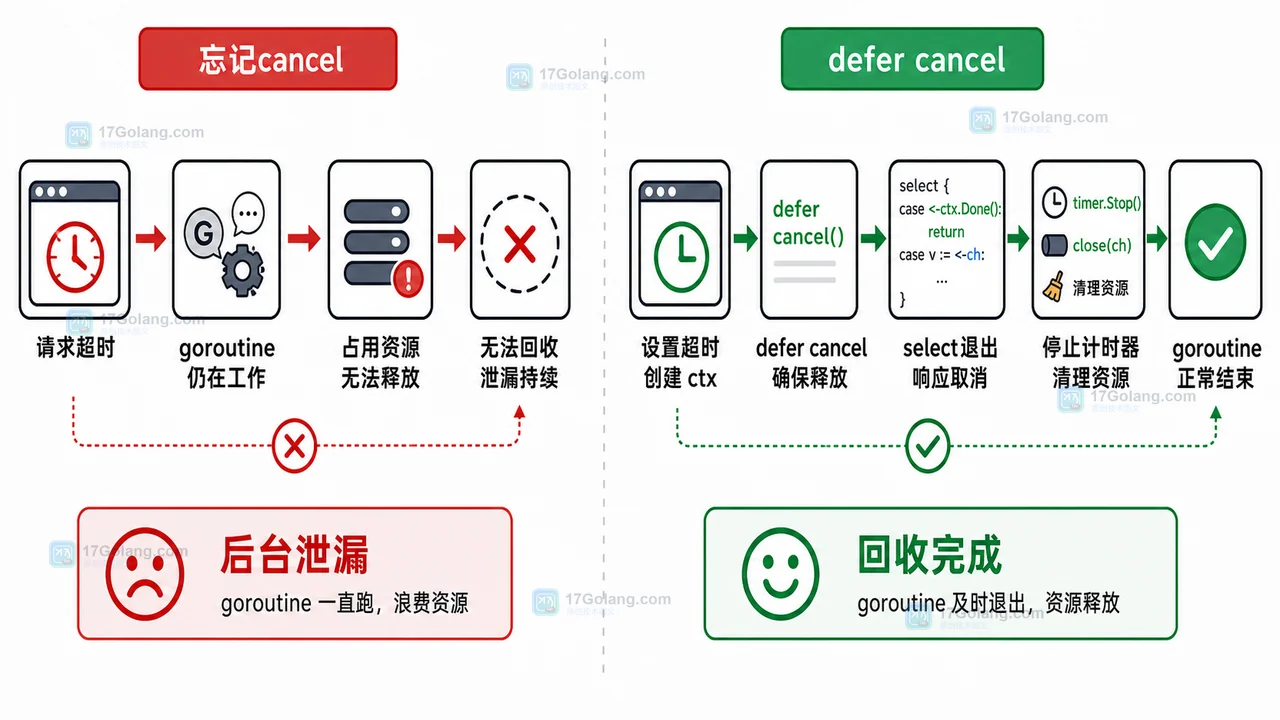
- Golang · Go教程 | 6天前 | goroutine · Context · 超时控制 · Go教程 · 后端开发 · Go Goroutine context 超时控制 WithTimeout Done QueryContext
- Go context 超时控制实战:从接口入口到 goroutine 回收的完整流程
- 166浏览 收藏
-
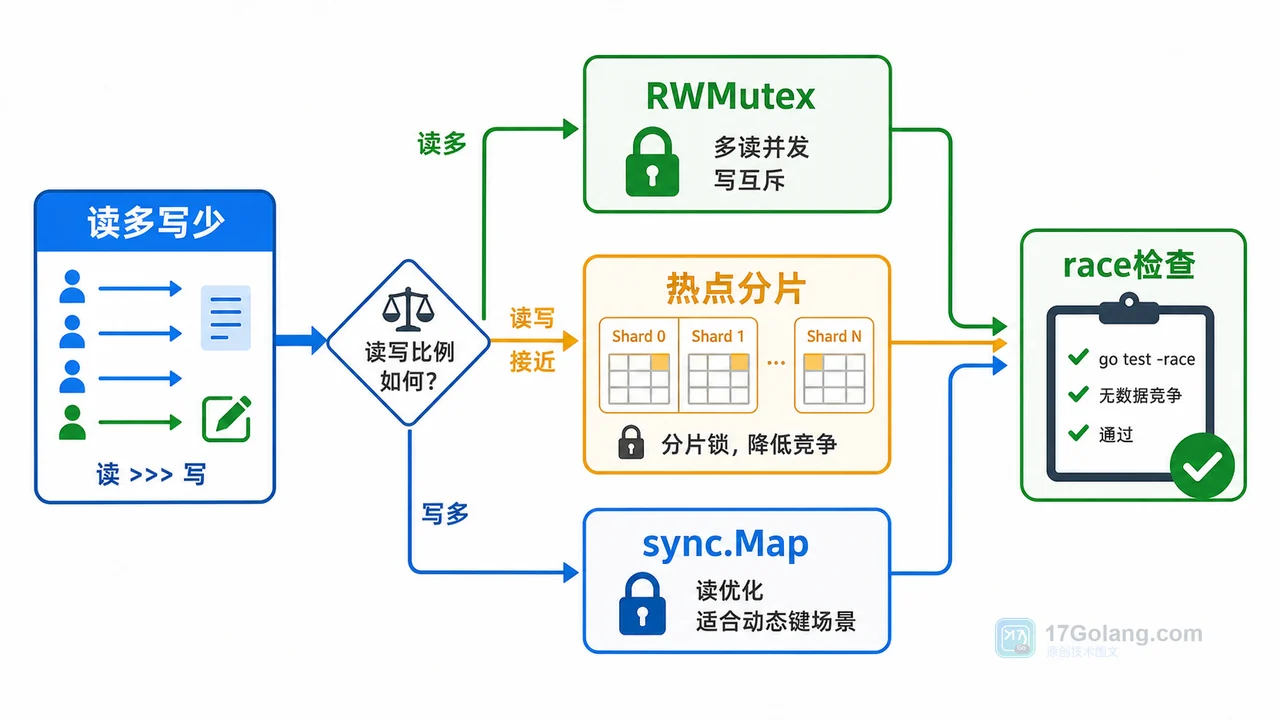
- Golang · Go教程 | 1星期前 | map · 并发安全 · RWMutex · sync.Map · Go教程 · 并发安全 RWMutex sync.Map Go map并发读写 go test race
- Go map 并发读写崩溃怎么办:从复现报错到 RWMutex 修复的完整流程
- 272浏览 收藏
-
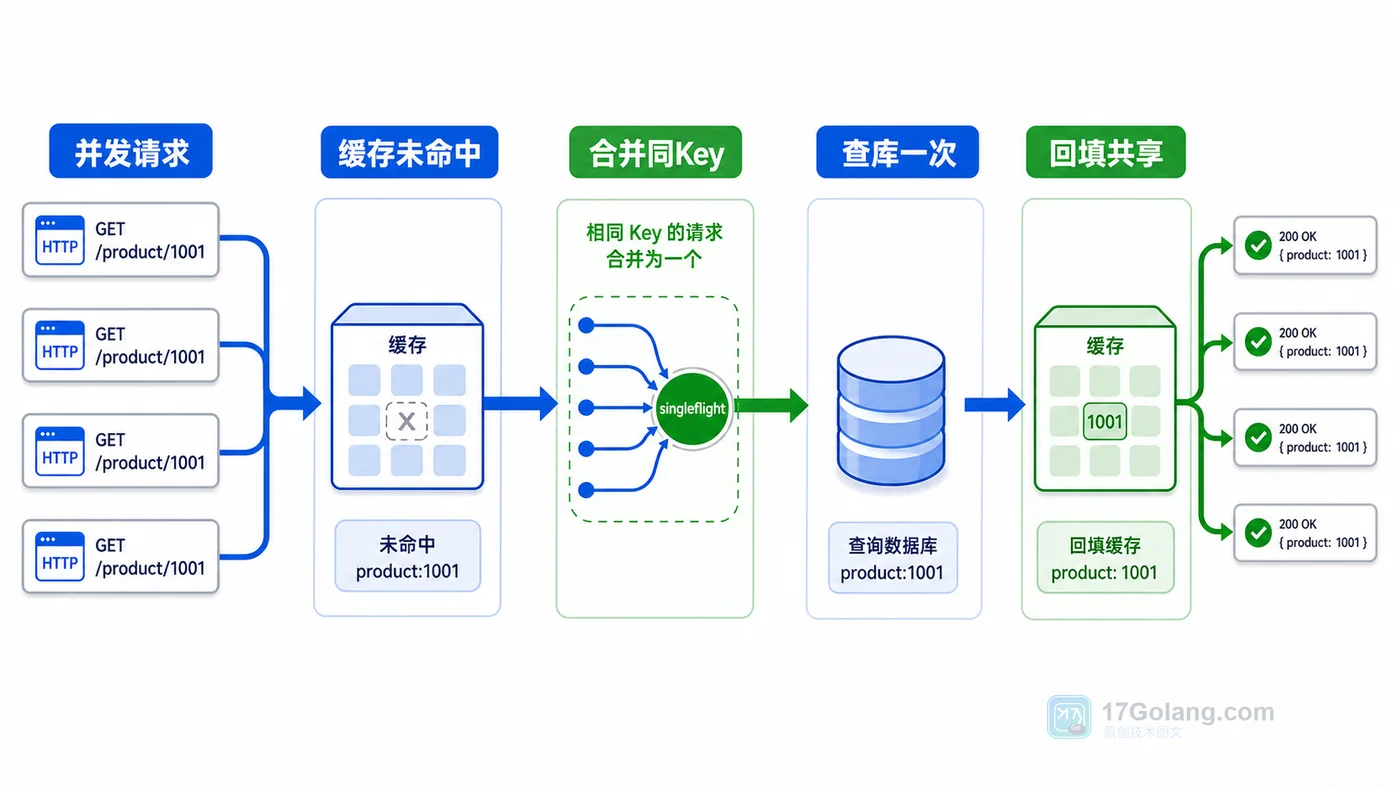
- Golang · Go教程 | 1星期前 | singleflight · 并发控制 · Go教程 · 缓存治理 · 接口优化 · Go 并发请求 缓存击穿 singleflight 缓存回填
- Go singleflight 防缓存击穿实战:相同请求只查一次数据库
- 114浏览 收藏
查看更多
课程推荐
-

- 前端进阶之JavaScript设计模式
- 设计模式是开发人员在软件开发过程中面临一般问题时的解决方案,代表了最佳的实践。本课程的主打内容包括JS常见设计模式以及具体应用场景,打造一站式知识长龙服务,适合有JS基础的同学学习。
- 543次学习
-

- GO语言核心编程课程
- 本课程采用真实案例,全面具体可落地,从理论到实践,一步一步将GO核心编程技术、编程思想、底层实现融会贯通,使学习者贴近时代脉搏,做IT互联网时代的弄潮儿。
- 516次学习
-

- 简单聊聊mysql8与网络通信
- 如有问题加微信:Le-studyg;在课程中,我们将首先介绍MySQL8的新特性,包括性能优化、安全增强、新数据类型等,帮助学生快速熟悉MySQL8的最新功能。接着,我们将深入解析MySQL的网络通信机制,包括协议、连接管理、数据传输等,让
- 500次学习
-

- JavaScript正则表达式基础与实战
- 在任何一门编程语言中,正则表达式,都是一项重要的知识,它提供了高效的字符串匹配与捕获机制,可以极大的简化程序设计。
- 487次学习
-

- 从零制作响应式网站—Grid布局
- 本系列教程将展示从零制作一个假想的网络科技公司官网,分为导航,轮播,关于我们,成功案例,服务流程,团队介绍,数据部分,公司动态,底部信息等内容区块。网站整体采用CSSGrid布局,支持响应式,有流畅过渡和展现动画。
- 485次学习
查看更多
AI推荐
-

- ljg-skills
- ljg-skills 是李继刚开源的 AI 技能与提示词集合,面向大模型使用者整理了一批可复用的 prompt、角色设定和任务技能模板,适合用于学习提示词设计、搭建个人 AI 工作流和沉淀团队常用智能体能力。
- 1790次使用
-

- MELO音乐
- MELO音乐是一站式AI视频与音乐制作助手,对标suno, udio的高品质体验。提供伴奏生成、原创写词、无损导出、哼唱识曲、混音变声等全套音频与短视频编辑工具。无论是流行Kpop、电音说唱、民谣古风、摇滚儿歌还是商用轻音乐,MELO为你免费谱曲,轻松做同款!
- 1719次使用
-

- UniScribe
- UniScribe 是一款 AI 音视频转文字与内容整理工具,支持上传音频、视频文件或粘贴 YouTube 链接,自动生成转写文本、摘要、思维导图和关键问题,并支持多格式导出,适合会议记录、课程学习、访谈整理和内容创作复盘。
- 1665次使用
-

- 剧云
- 剧云是专业中文剧本创作平台,安全稳定运行十余年,集成AI编剧、剧本医生审核、人物小传、剧情关系图、大纲编写、多人协作、Word导入导出、版权管控功能,数据安全防护,轻松高效创作剧本。
- 1863次使用
-

- 万象有声
- 万象有声,一个专为有声创作者打造的新一代智能有声内容创作平台。平台提供专业的智能拆章、智能画本编辑、AI配音、AI生成音效、后期制作、智能对轨、智能审听等有声创作全流程工具,可以帮助创作者高效、低成本创作出引人入胜的有声作品。立即体验,让有声书制作更简单!
- 1850次使用
查看更多
相关文章
-
- go语言是不是静态语言
- 2023-03-07 100浏览
-
- go语言同步机制是什么及怎么实现
- 2023-03-09 106浏览
-
- 怎么使用Go语言修改Excel文件
- 2023-05-25 111浏览
-
- php和go语言的区别有哪些
- 2023-03-04 112浏览
-
- 详解go语言 make(chan int, 1) 和 make (chan int) 的区别
- 2023-01-07 113浏览


